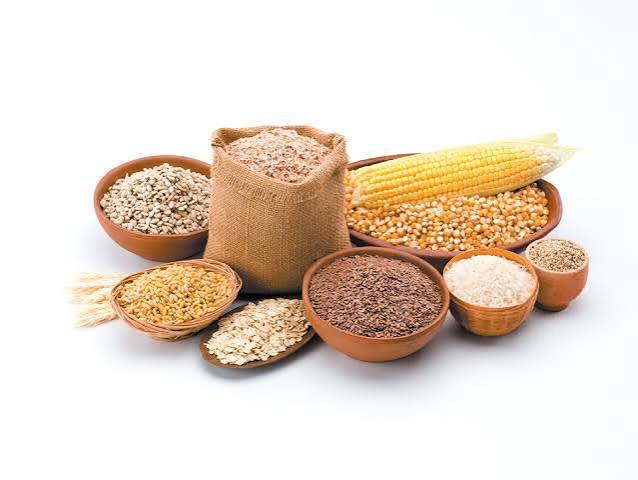
Legumes: The Power of Beans, Lentils, and Peas
Legumes are among the healthiest and most affordable foods you can add to your diet. They are packed with plant-based protein, dietary fiber, vitamins, minerals, and antioxidants that support overall health. Whether you enjoy black beans in a salad, lentils in soup, or peas as a side dish, legumes offer excellent nutrition without adding excessive calories.
Health experts often recommend eating legumes regularly because they are naturally low in fat, filling, and versatile. They can be enjoyed in a variety of dishes and fit well into vegetarian, vegan, and balanced eating plans.
In this guide, you’ll learn what legumes are, why they’re good for you, their nutritional value, and practical ways to include them in your meals.
What Are Legumes?
Legumes are plants that produce edible seeds inside pods. They have been an important food source in many cultures for thousands of years because they are nutritious, affordable, and easy to store.
Common legumes include:
Black beans
Kidney beans
Pinto beans
Chickpeas
Lentils
Green peas
Split peas
Soybeans
Navy beans
Lima beans
Legumes are often grouped with vegetables, but nutritionally they are unique because they provide both protein and complex carbohydrates.
Nutritional Value of Legumes
Legumes are naturally rich in nutrients that support good health.
| Nutrient | Why It’s Important |
|---|---|
| Protein | Supports muscle growth and tissue repair |
| Dietary Fiber | Helps maintain healthy digestion and keeps you feeling full |
| Iron | Supports oxygen transport in the body |
| Folate | Important for cell growth and development |
| Magnesium | Supports muscle and nerve function |
| Potassium | Helps maintain healthy blood pressure |
| Zinc | Supports immune function |
| Complex Carbohydrates | Provide steady energy |
Most legumes are also low in saturated fat and naturally cholesterol-free.
Health Benefits of Legumes
1. Excellent Source of Plant-Based Protein
Legumes are one of the best plant-based protein sources available. Protein is essential for building muscles, repairing tissues, producing enzymes, and supporting overall body function.
People following vegetarian or vegan diets often rely on legumes as an important protein source.
2. Rich in Dietary Fiber
Fiber plays an important role in digestive health.
Eating fiber-rich foods like legumes may help:
Support regular bowel movements
Promote a healthy gut
Increase feelings of fullness
Support healthy cholesterol levels
Since legumes digest slowly, they can help keep you satisfied between meals.
3. Supports Heart Health
Many legumes contain soluble fiber and beneficial plant compounds that can support heart health as part of a balanced diet.
Replacing some processed meats with beans or lentils is one simple way to improve the nutritional quality of your meals.
4. Helps Maintain Healthy Blood Sugar Levels
Legumes have a relatively low glycemic index compared to many refined carbohydrates.
Their combination of fiber and protein helps slow digestion, providing a steady release of energy after meals.
5. Aids Healthy Weight Management
Legumes are filling without being high in calories.
Because they combine protein and fiber, they may help reduce hunger and support healthy eating habits when included in balanced meals.
6. Supports Digestive Health
The fiber found in legumes acts as food for beneficial gut bacteria.
A healthy gut microbiome contributes to overall digestive health and supports normal immune function.
Popular Types of Legumes
Different legumes offer slightly different nutrients and flavors.
| Legume | Best Uses | Key Nutrients |
|---|---|---|
| Black Beans | Burritos, salads, soups | Protein, fiber, iron |
| Kidney Beans | Chili, stews | Fiber, potassium |
| Chickpeas | Hummus, salads, curries | Protein, folate |
| Lentils | Soups, dals, curries | Iron, protein |
| Green Peas | Side dishes, rice | Vitamin C, fiber |
| Split Peas | Soups | Protein, fiber |
| Soybeans | Tofu, edamame | Complete protein |
| Navy Beans | Baked beans, soups | Fiber, magnesium |
Eating a variety of legumes provides a broader range of nutrients.
Legumes vs. Beans: What’s the Difference?
Many people use the terms “beans” and “legumes” interchangeably, but they are not exactly the same.
Legumes are the entire plant family.
Beans are one type of legume.
This means all beans are legumes, but not all legumes are beans. Lentils, peas, peanuts, and chickpeas are also legumes.
How Much Should You Eat?
There is no single amount that works for everyone, but many healthy eating patterns encourage including legumes several times each week.
A typical serving is:
½ cup cooked legumes
Adding legumes to your meals regularly can help increase your intake of protein, fiber, and important minerals.
Easy Ways to Add Legumes to Your Diet
Including legumes in your meals is easier than many people think.
Try these simple ideas:
Add chickpeas to salads.
Make homemade hummus as a healthy snack.
Prepare lentil soup for lunch.
Add black beans to tacos or burritos.
Mix kidney beans into chili.
Toss green peas into pasta dishes.
Add beans to vegetable soups.
Enjoy roasted chickpeas as a crunchy snack.
Tips for Cooking Legumes
To get the best flavor and texture:
Rinse canned beans before using to reduce excess sodium.
Soak dried beans overnight for faster cooking.
Cook legumes until they are tender.
Season with herbs, garlic, onions, and spices instead of excessive salt.
Store cooked legumes in the refrigerator for up to four days or freeze them for later use.
Are There Any Downsides?
Legumes are healthy for most people, but some individuals may experience gas or bloating when increasing their intake.
To reduce digestive discomfort:
Increase your intake gradually.
Drink enough water.
Rinse canned beans well.
Soak dried beans before cooking.
Eat legumes regularly to help your digestive system adapt.
People with certain medical conditions or dietary restrictions should consult a healthcare professional before making major dietary changes.
Frequently Asked Questions
Are legumes good for weight loss?
Legumes can support weight management because they are rich in protein and fiber, helping you stay full for longer while providing valuable nutrients.
Are canned beans healthy?
Yes. Canned beans are nutritious and convenient. Choose low-sodium varieties when possible or rinse them before eating to reduce sodium content.
Are lentils healthier than beans?
Both are excellent choices. Lentils often cook faster and provide slightly more protein per serving, while different beans offer their own unique nutrient profiles.
Can vegetarians get enough protein from legumes?
Yes. Legumes are an excellent source of plant-based protein and can help meet protein needs when eaten as part of a varied diet.
Are peas considered legumes?
Yes. Green peas and split peas belong to the legume family.
Key Takeaways
Legumes include beans, lentils, peas, chickpeas, and soybeans.
They are rich in protein, fiber, vitamins, and minerals.
Eating legumes regularly supports heart health, digestion, and balanced nutrition.
They are affordable, versatile, and suitable for many eating patterns.
Adding a variety of legumes to your meals can help improve overall diet quality.
Final Thoughts
Legumes truly deserve a place in every healthy kitchen. They are nutritious, affordable, and easy to prepare, making them a smart choice for families and individuals alike. Whether you enjoy a warm bowl of lentil soup, a fresh chickpea salad, or black beans in your favorite tacos, legumes provide lasting energy and important nutrients that support overall health.
Instead of relying solely on processed or high-fat protein sources, try incorporating beans, lentils, and peas into your weekly meal plan. Small changes like these can make a meaningful difference in building a balanced and nourishing diet.
References
The information in this article is based on guidance and educational resources from reputable organizations, including:
World Health Organization (WHO)
U.S. Department of Agriculture (USDA)
National Institutes of Health (NIH)
American Heart Association (AHA)
Academy of Nutrition and Dietetics
Note:This article is intended for educational purposes only and should not replace professional medical or dietary advice.




No comment