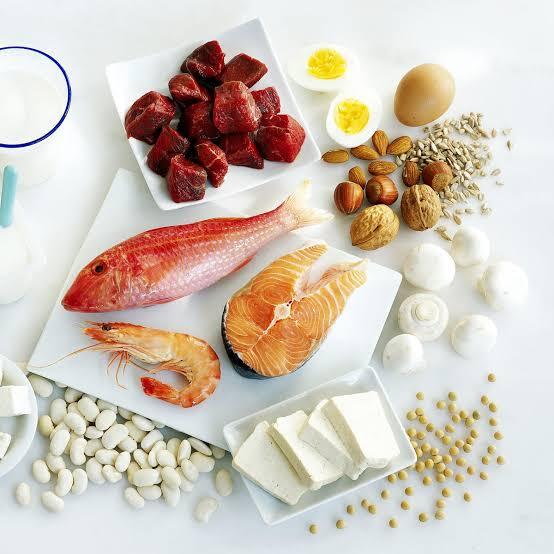
Your Grocery List for Year-Round Wellness
There’s no magic pill that shields you from every sniffle, virus, or infection. But there is something powerful sitting in your kitchen right now—or waiting for you at the grocery store. The food you eat plays a direct, science-backed role in how well your immune system fights off invaders, repairs damage, and keeps you feeling energized.
With cold and flu season, allergy spikes, and everyday stressors constantly testing our defenses, building a plate rich in immune-supporting nutrients isn’t just a trend—it’s one of the smartest investments you can make in your health.
Let’s dive into the best foods that help your immune system do its job brilliantly.
1. Citrus Fruits: The Vitamin C Powerhouses
Oranges, grapefruits, lemons, limes, and tangerines are probably the first foods that come to mind when you think “immunity”—and for good reason. They’re loaded with vitamin C, which stimulates the production of white blood cells, your body’s frontline soldiers against infection.
Pro tip: Since your body doesn’t store vitamin C, you need a daily dose. Squeeze lemon over salads, snack on clementines, or start your morning with a glass of fresh grapefruit juice.
2. Garlic: Nature’s Antibiotic
Garlic has been used medicinally for thousands of years, and modern research backs it up. Its active compound, allicin, has demonstrated antibacterial, antiviral, and antifungal properties. Studies suggest regular garlic consumption may reduce the severity and duration of colds.
How to eat it: Crush or chop garlic and let it sit for 10 minutes before cooking to maximize allicin activation. Add it to soups, stir-fries, roasted vegetables, or homemade dressings.
3. Ginger: The Anti-Inflammatory Root
That warm, slightly spicy kick you get from ginger comes from gingerol, a compound with potent anti-inflammatory and antioxidant effects. Ginger can help reduce inflammation, soothe sore throats, ease nausea, and support overall immune balance.
How to enjoy it: Brew fresh ginger slices into hot tea, grate it into smoothies, add it to curries, or chew on candied ginger for a quick snack.
4. Leafy Greens: Spinach, Kale, and Swiss Chard
Dark leafy greens are nutritional Swiss Army knives. They’re packed with:
- Vitamin C and Vitamin E (antioxidant protection)
- Folate (supports immune cell production)
- Beta-carotene (converts to vitamin A, crucial for mucosal barriers)
- Iron and fiber
Lightly steaming or sautéing greens preserves more nutrients than boiling. Toss spinach into omelets, blend kale into smoothies, or build a hearty salad with Swiss chard.
5. Yogurt and Fermented Foods: Gut Health = Immune Health
Roughly 70% of your immune system lives in your gut. That makes probiotic-rich foods essential allies. Plain yogurt, kefir, sauerkraut, kimchi, miso, and kombucha introduce beneficial bacteria that help regulate immune responses and keep harmful pathogens in check.
What to look for: Choose yogurts labeled “live and active cultures” and opt for unsweetened varieties. Add berries and a drizzle of honey for a nutrient-dense snack.
6. Nuts and Seeds: Small but Mighty
Almonds, walnuts, sunflower seeds, and pumpkin seeds deliver a concentrated dose of:
- Vitamin E – a fat-soluble antioxidant that protects cell membranes
- Zinc – critical for immune cell development and communication
- Selenium – supports antioxidant defense systems
- Healthy fats – reduce chronic inflammation
A small handful (about 1 oz) a day goes a long way. Sprinkle seeds over oatmeal, yogurt, or salads.
7. Colorful Bell Peppers: The Underdog Vitamin C Source
Here’s a fun fact: a single red bell pepper contains nearly three times more vitamin C than an orange. They’re also rich in beta-carotene, which supports skin and eye health—your body’s first physical barriers against pathogens.
Use them: Slice into strips for hummus dipping, roast them for pasta, or dice them into fajitas and stir-fries.
8. Fatty Fish: Omega-3s for Immune Regulation
Salmon, mackerel, sardines, tuna, and herring are rich in omega-3 fatty acids, which help reduce chronic inflammation and support the activity of immune cells like B-cells and T-cells. Fatty fish also provides vitamin D, a nutrient many people are deficient in and one that plays a vital role in immune function.
Goal: Aim for at least two servings of fatty fish per week. Grill salmon, toss sardines onto a salad, or enjoy a mackerel pâté on whole-grain toast.
9. Berries: Antioxidant-Rich Superstars
Blueberries, strawberries, raspberries, and blackberries are bursting with flavonoids, particularly anthocyanins, which give them their deep color. These antioxidants combat oxidative stress and support the immune system’s ability to respond effectively to threats.
Easy additions: Top your morning cereal, blend into smoothies, or freeze them for a refreshing snack.
10. Bone Broth and Soups: Comfort That Heals
There’s truth behind the classic “chicken soup cures colds” wisdom. Bone broth is rich in amino acids like glycine and proline, supports gut lining integrity, and provides easily digestible minerals. Warm soups also help with hydration and can ease congestion.
Make it count: Simmer bones with vegetables, garlic, and herbs for 12–24 hours. Use it as a base for stews, risottos, or simply sip it warm.
11. Turmeric: The Golden Spice
Curcumin, the active compound in turmeric, is one of the most studied natural anti-inflammatories. It modulates immune responses and supports the body’s antioxidant defenses.
Maximize absorption: Always pair turmeric with a pinch of black pepper (which contains piperine) and a source of fat. Try it in golden milk, curries, roasted veggies, or scrambled eggs.
12. Sweet Potatoes and Carrots: Beta-Carotene Champions
The bright orange color is a dead giveaway: these veggies are loaded with beta-carotene, which your body converts into vitamin A. Vitamin A is essential for maintaining the integrity of skin and mucous membranes—your body’s first line of defense—and for regulating immune cell function.
Serve them: Roast sweet potato wedges, blend carrot-ginger soup, or spiralize them into noodles.
Building Your Immune-Boosting Plate: Quick Tips
| Habit | Why It Matters |
|---|---|
| Eat the rainbow | Different colors = different phytonutrients |
| Prioritize whole foods | Minimize processed sugars that can suppress immune function |
| Stay hydrated | Water supports lymph flow and nutrient transport |
| Don’t skip protein | Amino acids build antibodies and immune cells |
| Limit excess alcohol | Heavy drinking weakens immune defenses |
| Pair smartly | Iron + vitamin C, turmeric + black pepper, fat-soluble vitamins + healthy fats |
Lifestyle Matters Too
No single food is a silver bullet. A truly resilient immune system is built on a combination of good nutrition, quality sleep (7–9 hours), regular moderate exercise, stress management, and staying up to date on vaccinations. Think of food as the foundation, and these habits as the walls and roof of your immunity house.
Final Thoughts
Strengthening your immune system doesn’t require expensive supplements or complicated protocols. It starts with simple, delicious, everyday choices: squeezing a lemon into your water, tossing garlic into tonight’s stir-fry, snacking on a handful of almonds, or savoring a bowl of berry-topped yogurt.
Eat well, eat colorfully, and eat consistently. Your immune system will thank you—every single day, not just during flu season.
Disclaimer: This article is for informational purposes only and does not constitute medical advice. If you have specific health concerns or conditions, consult a healthcare professional or registered dietitian before making significant dietary changes.



No comment