Introduction
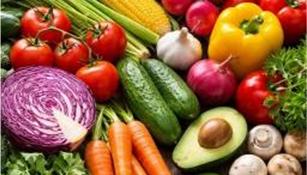
Vegetables are one of the most important parts of a healthy diet. They provide essential vitamins, minerals, fiber, and antioxidants that help your body function properly and may reduce the risk of many chronic diseases. Whether you want to improve your overall health, manage your weight, or simply eat better, adding a variety of vegetables to your daily meals is one of the smartest choices you can make.
From leafy greens like spinach to colorful vegetables such as carrots, bell peppers, and broccoli, every vegetable offers unique nutritional benefits. Eating different types of vegetables throughout the week helps ensure your body receives a wide range of nutrients needed for good health.
In this guide, you’ll learn what vegetables are, why they matter, their health benefits, nutritional value, different types, the healthiest vegetables to eat, and practical ways to include more vegetables in your everyday diet.
What Are Vegetables?
Vegetables are edible parts of plants that are consumed as food. Depending on the plant, the edible portion may be the leaves, roots, stems, flowers, seeds, or bulbs. They are naturally low in calories while being rich in nutrients that support overall health.
Unlike highly processed foods, vegetables are packed with natural compounds that nourish the body without adding excessive sugar, unhealthy fats, or sodium.
Quick Answer
Vegetables are nutrient-rich plant foods that provide vitamins, minerals, fiber, antioxidants, and water. Regularly eating a variety of vegetables supports heart health, digestion, immunity, weight management, and overall well-being.
Why Are Vegetables Important?
Vegetables supply many nutrients your body needs every day. Most people do not eat enough vegetables, which can lead to nutritional deficiencies over time.
Including vegetables in your meals helps:
- Support a healthy immune system
- Improve digestion
- Maintain a healthy weight
- Promote heart health
- Keep bones strong
- Support healthy skin
- Protect cells from damage
- Improve overall energy levels
Nutritional Value of Vegetables
Although each vegetable has its own nutritional profile, many are excellent sources of:
- Dietary fiber
- Vitamin A
- Vitamin C
- Vitamin K
- Folate
- Potassium
- Magnesium
- Calcium
- Iron
- Antioxidants
- Phytochemicals
These nutrients work together to support different functions throughout the body.
Health Benefits of Vegetables
1. Rich in Essential Nutrients
Vegetables provide vitamins and minerals that help maintain healthy organs, muscles, nerves, and bones.
2. High in Dietary Fiber
Fiber supports healthy digestion, helps prevent constipation, and contributes to a healthy gut microbiome.
3. Support Heart Health
Many vegetables contain potassium, fiber, and antioxidants that help support normal blood pressure and cardiovascular health.
4. Help Maintain a Healthy Weight
Most vegetables are naturally low in calories and high in water and fiber, making them filling foods that can help with weight management.
5. Strengthen the Immune System
Vitamin C, vitamin A, and plant antioxidants found in vegetables help support normal immune function.
6. Support Healthy Eyes
Orange and dark green vegetables contain nutrients like beta-carotene, lutein, and zeaxanthin that contribute to eye health.
7. Promote Healthy Skin
Nutrients such as vitamin C help support collagen production, while antioxidants protect skin cells from environmental stress.
8. May Reduce the Risk of Chronic Diseases
A diet rich in vegetables is associated with a lower risk of certain chronic diseases when combined with an overall healthy lifestyle.
Types of Vegetables
Leafy Green Vegetables
Examples include:
- Spinach
- Kale
- Lettuce
- Swiss chard
- Cabbage
Root Vegetables
Examples include:
- Carrots
- Beets
- Radishes
- Turnips
- Sweet potatoes
Cruciferous Vegetables
Examples include:
- Broccoli
- Cauliflower
- Brussels sprouts
- Bok choy
Allium Vegetables
Examples include:
- Onions
- Garlic
- Leeks
- Shallots
Fruiting Vegetables
Examples include:
- Tomatoes
- Bell peppers
- Cucumbers
- Eggplants
- Zucchini
Legumes
Examples include:
- Green peas
- Green beans
- Edamame
The Healthiest Vegetables to Eat
Some vegetables stand out because of their exceptional nutrient content:
- Spinach
- Broccoli
- Kale
- Carrots
- Bell peppers
- Sweet potatoes
- Brussels sprouts
- Cauliflower
- Tomatoes
- Garlic
The healthiest diet includes a variety of vegetables rather than relying on just one type.
How Much Vegetables Should You Eat?
Health experts generally recommend that adults eat at least 2½ to 3 cups of vegetables each day, depending on age, sex, and activity level.
Try to include vegetables in every meal rather than eating them only at dinner.
Best Ways to Add More Vegetables to Your Diet
Here are some simple ideas:
- Add spinach to omelets.
- Include vegetables in sandwiches and wraps.
- Make salads part of your lunch.
- Add broccoli or carrots to pasta dishes.
- Blend leafy greens into smoothies.
- Roast mixed vegetables with herbs.
- Keep sliced vegetables ready for snacks.
- Add extra vegetables to soups and stews.
Are Frozen Vegetables Healthy?
Yes. Frozen vegetables are often picked and frozen shortly after harvest, helping preserve many nutrients. Choose varieties without added sauces, butter, or excess salt whenever possible.
Common Mistakes to Avoid
- Eating only one type of vegetable
- Overcooking vegetables until they lose texture
- Adding excessive butter, cream, or salt
- Skipping vegetables during busy days
- Replacing vegetables with processed snacks
Frequently Asked Questions
Are raw vegetables healthier than cooked vegetables?
Both can be healthy. Some nutrients are better preserved in raw vegetables, while cooking can make other nutrients easier for your body to absorb.
Which vegetables are best for weight loss?
Leafy greens, broccoli, cauliflower, cucumbers, zucchini, cabbage, and bell peppers are popular choices because they are low in calories and high in fiber.
Can I eat vegetables every day?
Yes. Eating a variety of vegetables every day is encouraged as part of a balanced diet.
Are canned vegetables healthy?
They can be. Look for options with no added salt or rinse them before use to reduce sodium.
What is the healthiest cooking method?
Steaming, roasting, stir-frying with a small amount of healthy oil, and microwaving generally help retain nutrients while enhancing flavor.
Key Takeaways
- Vegetables are among the most nutrient-dense foods you can eat.
- They provide vitamins, minerals, fiber, antioxidants, and beneficial plant compounds.
- Eating a colorful variety of vegetables supports overall health.
- Include vegetables in every meal whenever possible.
- Fresh, frozen, and properly prepared vegetables can all be healthy choices.
Final Thoughts
Vegetables are the foundation of a nutritious eating pattern. They are naturally rich in nutrients, versatile in the kitchen, and suitable for people of all ages. Instead of focusing on a single “super vegetable,” aim to eat a colorful mix of vegetables throughout the week. Small, consistent changes—such as adding an extra serving of vegetables to each meal—can make a meaningful difference to your long-term health.
Medical Disclaimer: This article is intended for educational purposes only and should not be considered medical advice. Always consult a qualified healthcare professional before making significant dietary changes, especially if you have a medical condition, food allergies, or specific nutritional needs.



No comment