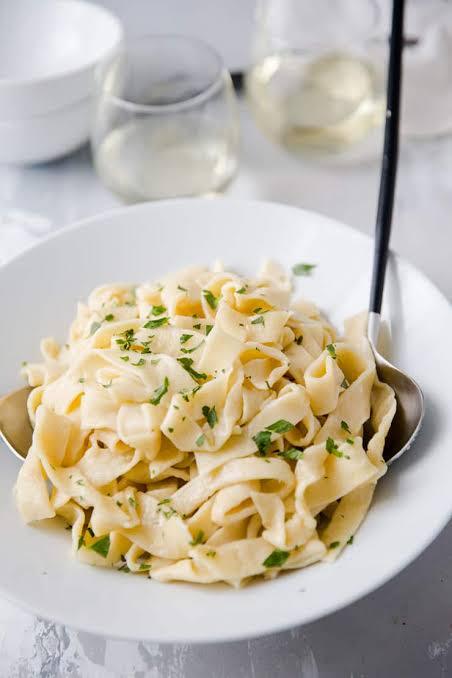
Introduction
Let me be honest with you — I used to think making pasta at home was some kind of fancy Italian-grandmother-only skill. You know, the kind where you need a special machine, a marble countertop, and 40 years of experience.
I was completely wrong.
Homemade pasta is one of the simplest, most rewarding things you can make in your kitchen. All you really need is flour, eggs, your two hands, and a little bit of patience. The result? A silky, tender, flavorful pasta that no boxed version can truly match.
In this guide, I’ll walk you through everything — the types of pasta you can make, a foolproof dough recipe, cooking tips I wish someone had told me earlier, and the mistakes I made so you don’t have to.
Whether you’re a complete beginner or someone who’s tried pasta-making once and wants to get better, this guide is for you.
Let’s get our hands floury. 🍝
Types of Homemade Pasta You Should Know {#types-of-pasta}
Before you start rolling dough, it helps to know what you’re aiming for. Pasta isn’t just “spaghetti.” There’s a whole world of shapes, and each one pairs differently with sauces.
Here’s a quick comparison to help you choose:
Pasta Type | Shape | Best Paired With | Difficulty Level |
|---|---|---|---|
Fettuccine | Long, flat ribbons | Creamy sauces (Alfredo) | Easy |
Tagliatelle | Slightly wider ribbons | Meat ragù, bolognese | Easy |
Spaghetti | Long, thin strands | Tomato, aglio e olio | Medium |
Pappardelle | Very wide, flat strips | Hearty stews, wild boar sauce | Easy |
Ravioli | Stuffed squares/circles | Butter sage, light tomato | Medium |
Tortellini | Small stuffed rings | Broth, cream sauce | Hard |
Orecchiette | Small “ear” shapes | Broccoli, sausage sauce | Medium |
Gnocchi | Soft potato dumplings | Pesto, gorgonzola sauce | Easy |
My suggestion for beginners? Start with fettuccine or tagliatelle. They’re forgiving, easy to cut by hand, and taste incredible with a simple butter-parmesan sauce.
Basic Pasta Dough Recipe (Just 3 Ingredients) {#basic-recipe}
This is the recipe I use every single time. No fuss, no fancy equipment required.
Ingredients:
- 2 cups (250g) all-purpose flour or “00” flour
- 3 large eggs
- 1 teaspoon olive oil (optional, adds tenderness)
- Pinch of salt
Step-by-Step Instructions:
- Make a well. Pour your flour onto a clean surface and create a deep well in the center, like a little volcano.
- Add eggs. Crack the eggs into the well. Add the olive oil and salt.
- Mix gently. Use a fork to beat the eggs, slowly pulling in flour from the edges. Don’t rush this part.
- Knead. Once it comes together, knead with your hands for about 8–10 minutes until the dough is smooth and elastic. It should spring back when you poke it.
- Rest. Wrap the dough in plastic wrap and let it rest at room temperature for 30 minutes. Don’t skip this. The gluten needs to relax.
- Roll & shape. Roll it out with a rolling pin or pasta machine until thin, then cut into your desired shape.
That’s it. You just made fresh pasta. 🎉
Popular Pasta Recipes to Try {#popular-recipes}
Once you’ve got the dough down, here are a few recipes that really shine with homemade pasta:
- Fettuccine Alfredo — Butter, parmesan, a splash of pasta water. Simple and luxurious.
- Tagliatelle Bolognese — Slow-cooked meat sauce over wide ribbons. Comfort food at its best.
- Cacio e Pepe — Pecorino romano, black pepper, starchy pasta water. Three ingredients, pure magic.
- Spinach Ravioli — Ricotta and spinach filling with a sage butter sauce.
- Lemon Garlic Spaghetti — Light, zesty, perfect for summer dinners.
💡 Practical Tip: Always save a cup of your pasta cooking water before draining. That starchy water is liquid gold for making sauces silky and helping them cling to the noodles.
Essential Cooking Tips for Perfect Pasta {#cooking-tips}
Here are the tips that took me way too long to figure out:
- Use plenty of water. At least 4–5 liters for 500g of pasta. The pasta needs room to move.
- Salt the water generously. It should taste like the sea. This is your only chance to season the pasta itself.
- Fresh pasta cooks FAST. We’re talking 2–4 minutes, not 10–12. Watch it closely.
- Don’t add oil to the water. It prevents the sauce from sticking later. Just use enough water and stir occasionally.
- Finish in the sauce. Toss your drained pasta directly into the sauce pan for the last 30 seconds. Add a splash of pasta water. This marries the flavors together.
- Serve immediately. Fresh pasta waits for no one. Have your plates warm and your sauce ready before the pasta hits the water.
Common Mistakes & Myths {#mistakes-myths}
Let’s bust a few things I see people get wrong all the time:
❌ Mistakes:
- Not resting the dough. Skip the 30-minute rest and your pasta will be tough and spring back when you roll it.
- Rolling too thick. If your pasta is too thick, it tastes doughy and chewy in the wrong way. Aim for thin — you should almost see your hand through it.
- Overcooking. Fresh pasta goes from perfect to mushy in about 30 seconds. Pull it out when it’s just tender.
- Using too much flour when rolling. A light dusting is fine. Too much makes the pasta dry and the sauce won’t stick.
🚫 Myths:
- “You need a pasta machine.” — You don’t. A rolling pin and a sharp knife work perfectly fine. I made pasta for a year before I ever used a machine.
- “You need semolina flour.” — You can use it, but all-purpose flour works beautifully for most fresh pasta. “00” flour is great too, but it’s not mandatory.
- “Fresh pasta is always better than dried.” — Not necessarily. Dried pasta is perfect for certain sauces and dishes. They’re just different tools for different jobs.
FAQs {#faqs}
Q: Can I make pasta without eggs? A: Absolutely! Just use water instead of eggs. The dough will be slightly less rich but still delicious. Some traditional Italian pastas (like orecchiette) are eggless.
Q: How long does fresh pasta last? A: At room temperature, use it within a few hours. In the fridge, up to 2 days wrapped well. In the freezer, up to 2–3 months. Just cook it straight from frozen — no need to thaw.
Q: Can I use a stand mixer to make the dough? A: Yes! Use the dough hook attachment on low speed for about 7–8 minutes. It saves your arms, but the rest period is still essential.
Q: Why is my pasta chewy? A: Usually, it’s because you didn’t knead enough, didn’t rest the dough, or rolled it too thick. The dough should feel smooth and stretchy, not rubbery.
Q: Do I need a pasta drying rack? A: Nice to have, but not essential. You can lay pasta on a floured baking sheet or hang it over the back of a chair (yes, really).
Final Thoughts {#conclusion}
Here’s the thing about homemade pasta — it’s not about perfection. It’s not about getting every strand exactly the same width or making restaurant-quality ravioli on your first try.
It’s about the process. The feeling of flour under your fingers. The smell of fresh dough. The pride of serving something you made from scratch to people you love.
And honestly? Even “imperfect” homemade pasta tastes about ten times better than anything from a box.
So grab some flour, crack a few eggs, and give it a go. You might just surprise yourself.
Now go make some pasta. And save me a plate. 🍝


No comment