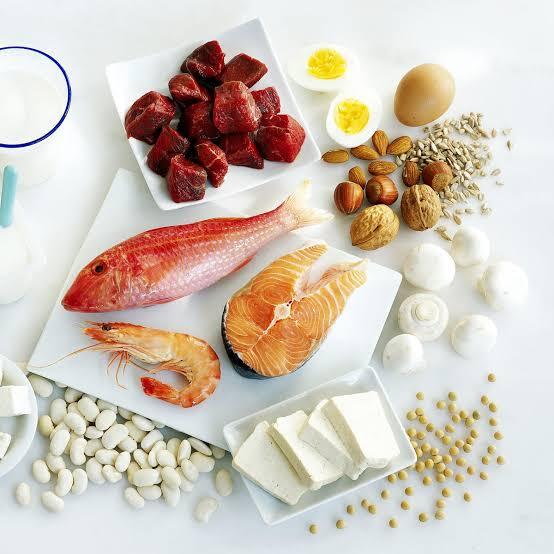
Protein is one of the most important nutrients your body needs every day. It helps build and repair muscles, supports healthy bones, keeps your immune system strong, and plays a key role in producing enzymes and hormones. Whether your goal is to stay healthy, lose weight, build muscle, or simply eat a balanced diet, choosing the right protein foods can make a big difference.
In this guide, you’ll learn what protein is, why it’s important, the best protein-rich foods to eat, and simple ways to include more protein in your daily meals.
What Is Protein?
Protein is a macronutrient made up of small building blocks called amino acids. These amino acids are essential for the growth, repair, and maintenance of tissues throughout the body.
Unlike carbohydrates and fats, protein is primarily used to build and repair cells rather than provide energy. However, when needed, your body can also use protein as an energy source.
Some amino acids are produced naturally by the body, while others—known as essential amino acids—must come from the foods you eat.
Why Is Protein Important?
Protein supports many vital functions, including:
- Building and repairing muscles
- Supporting healthy skin, hair, and nails
- Strengthening bones
- Producing enzymes and hormones
- Supporting immune function
- Helping wounds heal
- Keeping you feeling full for longer
- Supporting healthy growth in children and teenagers
Getting enough protein each day helps your body function properly at every stage of life.
Best Protein Foods
Protein comes from both animal and plant sources. Including a variety of protein-rich foods helps you get a wide range of nutrients.
Animal-Based Protein Foods
These foods provide complete proteins, meaning they contain all nine essential amino acids.
Chicken Breast
Skinless chicken breast is a lean source of protein that’s low in saturated fat. It’s popular among athletes and people following healthy eating plans.
Eggs
Eggs are packed with high-quality protein, vitamins, minerals, and healthy fats. They’re versatile, affordable, and easy to prepare.
Fish
Fish such as salmon, tuna, sardines, and trout provide protein along with heart-healthy omega-3 fatty acids.
Lean Beef
Lean cuts of beef are rich in protein, iron, zinc, and vitamin B12.
Turkey
Turkey is another lean protein choice that’s lower in fat than many processed meats.
Greek Yogurt
Greek yogurt contains more protein than regular yogurt and also provides calcium and probiotics that support digestive health.
Cottage Cheese
Cottage cheese is high in protein and makes an excellent breakfast, snack, or post-workout meal.
Plant-Based Protein Foods
Plant proteins also provide fiber, vitamins, minerals, and antioxidants.
Lentils
Lentils are rich in protein, fiber, and iron, making them an excellent choice for vegetarian and vegan diets.
Chickpeas
Chickpeas are nutritious and can be used in salads, soups, curries, or blended into hummus.
Black Beans
Black beans provide protein, fiber, and important minerals while supporting heart and digestive health.
Kidney Beans
Kidney beans are filling, affordable, and work well in stews, chili, and rice dishes.
Tofu
Made from soybeans, tofu is a complete plant protein that absorbs flavors well and can be cooked in many different ways.
Tempeh
Tempeh is a fermented soy product that’s high in protein and has a firm texture, making it a popular meat alternative.
Quinoa
Unlike many grains, quinoa contains all essential amino acids, making it a complete plant protein.
Nuts and Seeds
Almonds, walnuts, peanuts, chia seeds, flaxseeds, pumpkin seeds, and sunflower seeds all contribute protein along with healthy fats and fiber.
High-Protein Foods at a Glance
| Food | Approximate Protein (per serving) |
|---|---|
| Chicken breast (100 g) | 31 g |
| Salmon (100 g) | 22 g |
| Eggs (2 large) | 12 g |
| Greek yogurt (170 g) | 17–20 g |
| Cottage cheese (½ cup) | 14 g |
| Lentils (1 cup cooked) | 18 g |
| Chickpeas (1 cup cooked) | 15 g |
| Black beans (1 cup cooked) | 15 g |
| Tofu (100 g) | 8–15 g |
| Quinoa (1 cup cooked) | 8 g |
Values are approximate and may vary by brand and preparation method.
Health Benefits of Protein Foods
Helps Build and Maintain Muscle
Protein supplies the amino acids needed for muscle growth and repair, making it especially important for active individuals and older adults.
Keeps You Feeling Full
Protein-rich meals can help increase satiety, making it easier to manage hunger and maintain healthy eating habits.
Supports Weight Management
Because protein helps you stay satisfied longer, it may reduce unnecessary snacking and support healthy weight goals when combined with a balanced diet.
Strengthens Bones
Protein works alongside nutrients such as calcium and vitamin D to support healthy bones throughout life.
Supports Immune Health
Many antibodies and immune cells rely on protein to function effectively.
Helps the Body Recover
Protein supports tissue repair after exercise, illness, or injury.
Whole Food Protein vs Processed Protein
Whole food protein sources often provide additional nutrients such as fiber, vitamins, minerals, and healthy fats.
Examples include:
- Eggs
- Fish
- Beans
- Lentils
- Greek yogurt
- Tofu
- Nuts
- Seeds
Protein bars and shakes can be convenient, but many contain added sugars or highly processed ingredients. Whenever possible, make whole foods your primary source of protein.
How Much Protein Do You Need?
Protein needs vary based on age, body size, activity level, and overall health.
In general:
- Children need protein to support growth and development.
- Adults should consume enough protein to maintain muscle and overall health.
- Older adults may benefit from slightly higher protein intake to help preserve muscle mass.
- Athletes and highly active individuals often require more protein to support training and recovery.
If you have kidney disease or another medical condition, follow the guidance of your healthcare provider or a registered dietitian.
Easy Ways to Eat More Protein
Adding more protein to your meals doesn’t have to be difficult.
Try these ideas:
- Start your day with eggs or Greek yogurt.
- Add beans or lentils to soups and salads.
- Snack on nuts or roasted chickpeas.
- Include grilled chicken or fish with lunch and dinner.
- Blend yogurt, milk, or tofu into smoothies.
- Sprinkle seeds over oatmeal or salads.
- Replace refined grains with quinoa in some meals.
Small, consistent changes can help you meet your daily protein needs.
Can You Eat Too Much Protein?
Most healthy people can safely include protein as part of a balanced diet. However, consuming excessive amounts over long periods may not provide additional benefits and could make it harder to eat enough fruits, vegetables, and whole grains.
Balance is key. Aim for a varied diet that includes lean proteins, healthy fats, whole grains, fruits, and vegetables.
Frequently Asked Questions
What are the healthiest protein foods?
Some of the healthiest options include fish, eggs, skinless chicken, lentils, beans, Greek yogurt, tofu, quinoa, and nuts because they provide protein along with other valuable nutrients.
Is plant protein as good as animal protein?
Yes. Eating a variety of plant protein foods can provide all the essential amino acids your body needs. Soy foods and quinoa are complete plant proteins, while combinations such as beans and whole grains also support a balanced diet.
Are eggs a good source of protein?
Yes. Eggs are one of the highest-quality protein foods and also provide vitamins, minerals, and healthy fats.
Which protein foods help with weight loss?
Protein-rich foods such as Greek yogurt, chicken, fish, beans, lentils, tofu, and eggs can help you feel full for longer when included in a balanced eating plan.
Can children eat high-protein foods?
Yes. Children need protein for healthy growth and development. Offer a variety of age-appropriate protein foods as part of a balanced diet.
Key Takeaways
- Protein is essential for muscle growth, tissue repair, immune health, and overall wellness.
- Both animal and plant foods can provide high-quality protein.
- Choose a variety of lean, minimally processed protein sources.
- Include protein in each meal to support energy and satiety.
- Pair protein with fruits, vegetables, and whole grains for a balanced diet.
References
This article is based on guidance and educational resources from reputable organizations, including:
- World Health Organization (WHO)
- U.S. Department of Agriculture (USDA)
- National Institutes of Health (NIH)
- Academy of Nutrition and Dietetics
Medical Disclaimer: This article is intended for educational purposes only and should not be considered medical advice. Always consult a qualified healthcare professional before making significant changes to your diet or if you have specific health concerns.

No comment