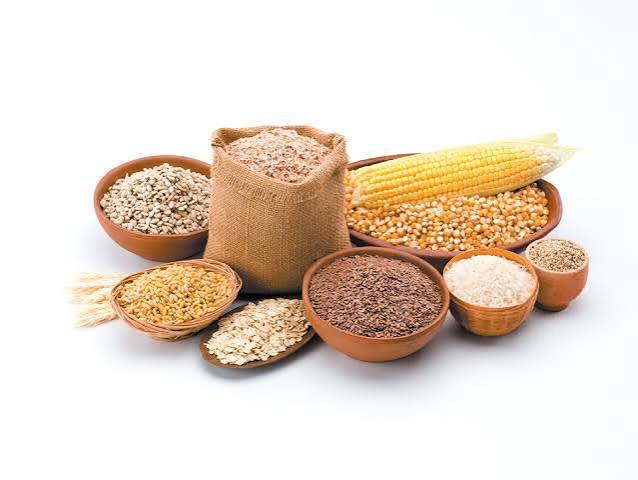
Whole Grains at a Glance
Whole grains are grains that contain all three parts of the grain kernel—the bran, germ, and endosperm. Because they retain these natural components, they provide more fiber, vitamins, minerals, and plant compounds than refined grains. Including whole grains in a balanced diet may support heart health, improve digestion, help manage weight, and reduce the risk of certain chronic diseases.
What Are Whole Grains?
Whole grains are grains that have not been stripped of their nutritious outer layers during processing. Unlike refined grains, they keep their bran, germ, and endosperm intact, preserving valuable nutrients that contribute to overall health.
The three parts of a whole grain include:
Bran: The fiber-rich outer layer containing B vitamins, antioxidants, and minerals.
Germ: The nutrient-packed core containing healthy fats, vitamin E, B vitamins, and antioxidants.
Endosperm: The largest portion of the grain that mainly provides carbohydrates and protein.
When grains are refined, the bran and germ are removed, reducing their fiber and many essential nutrients.
Why Are Whole Grains Important?
Whole grains provide a combination of nutrients that work together to support good health. They are naturally rich in dietary fiber, complex carbohydrates, vitamins, minerals, and beneficial plant compounds.
Eating whole grains regularly may help:
Improve digestive health
Support a healthy heart
Keep you feeling full longer
Help maintain healthy blood sugar levels
Provide long-lasting energy
Support healthy weight management
Nutritional Value of Whole Grains
Although nutritional values vary depending on the type of grain, most whole grains provide:
| Nutrient | Why It Matters |
|---|---|
| Dietary Fiber | Supports digestion and gut health |
| Complex Carbohydrates | Provides steady energy |
| Protein | Helps build and repair body tissues |
| B Vitamins | Supports metabolism and energy production |
| Iron | Helps carry oxygen throughout the body |
| Magnesium | Supports muscles and nerves |
| Zinc | Supports immune function |
| Selenium | Acts as an antioxidant |
| Antioxidants | Help protect cells from damage |
Health Benefits of Whole Grains
1. Supports Heart Health
Whole grains contain fiber and other beneficial nutrients that may help maintain healthy cholesterol levels and support normal blood pressure as part of an overall healthy diet.
2. Improves Digestion
The fiber found in whole grains helps promote regular bowel movements and supports a healthy digestive system. Fiber also nourishes beneficial gut bacteria.
3. Helps You Feel Full Longer
Whole grains digest more slowly than refined grains, helping you stay satisfied for longer. This may reduce unnecessary snacking between meals.
4. Supports Healthy Weight Management
Replacing refined grains with whole grains may help people follow a more balanced eating pattern and support healthy weight goals when combined with regular physical activity.
5. Provides Long-Lasting Energy
Because whole grains contain complex carbohydrates, they release energy gradually, making them an excellent choice for busy days and active lifestyles.
6. Helps Maintain Healthy Blood Sugar Levels
Foods rich in fiber may slow digestion and support more stable blood sugar levels compared with highly refined grain products.
People with diabetes or other medical conditions should follow the advice of their healthcare provider regarding carbohydrate intake.
7. Rich in Essential Nutrients
Whole grains naturally provide important vitamins and minerals that support many body functions, including energy production, immune health, and bone health.
Whole Grains vs Refined Grains
| Whole Grains | Refined Grains |
|---|---|
| Contains bran, germ, and endosperm | Bran and germ removed |
| Higher in fiber | Lower in fiber |
| Rich in vitamins and minerals | Many nutrients removed during processing |
| Slower digestion | Faster digestion |
| More filling | Less satisfying |
Common Types of Whole Grains
There are many delicious whole grains to choose from.
Oats
Rich in soluble fiber and commonly enjoyed as oatmeal or overnight oats.
Brown Rice
A nutritious alternative to white rice that retains its natural bran layer.
Quinoa
A naturally gluten-free seed often used like a grain and valued for its protein content.
Whole Wheat
Used to make whole wheat bread, pasta, and flour.
Barley
A chewy grain that works well in soups, salads, and stews.
Millet
A small, naturally gluten-free grain commonly used in many traditional cuisines.
Buckwheat
Despite its name, buckwheat is not related to wheat and is naturally gluten-free.
Rye
Often used in breads and crackers with a distinctive flavor.
Easy Ways to Eat More Whole Grains
Adding whole grains to your meals doesn’t have to be difficult.
Try these simple ideas:
Choose whole wheat bread instead of white bread.
Replace white rice with brown rice.
Start your day with oatmeal.
Add quinoa to salads.
Use whole wheat pasta.
Include barley in soups.
Snack on plain popcorn instead of processed snacks.
Read food labels and choose products that list a whole grain as the first ingredient.
How Much Whole Grain Should You Eat?
The amount of whole grains you need depends on your age, activity level, and overall dietary needs.
Many dietary guidelines recommend making at least half of the grains you eat whole grains as part of a healthy eating pattern.
Consult a registered dietitian or healthcare professional for personalized dietary advice.
Can Everyone Eat Whole Grains?
Most people can safely enjoy whole grains as part of a balanced diet.
However, individuals with conditions such as celiac disease or certain wheat allergies should avoid grains containing gluten and choose naturally gluten-free options like quinoa, millet, or certified gluten-free oats if appropriate.
If you have digestive concerns or medical conditions, speak with your healthcare provider before making significant dietary changes.
Tips for Buying Whole Grain Products
When shopping:
Look for the words “100% Whole Grain” or “100% Whole Wheat.”
Read the ingredient list carefully.
Compare fiber content.
Choose products with minimal added sugar.
Avoid products that only use terms like “multigrain” unless whole grains are listed as the primary ingredient.
Frequently Asked Questions
Are whole grains healthier than refined grains?
Whole grains generally contain more fiber, vitamins, and minerals because they retain all parts of the grain kernel.
Is oatmeal a whole grain?
Yes. Traditional rolled oats and steel-cut oats are whole grains.
Is brown rice healthier than white rice?
Brown rice contains more fiber and several nutrients because it is less processed than white rice.
Can whole grains help with weight loss?
Whole grains may help you feel full for longer, which can support healthy weight management when included as part of a balanced diet and active lifestyle.
Are whole grains gluten-free?
Not all whole grains are gluten-free. Wheat, barley, and rye contain gluten, while quinoa, millet, buckwheat, and certified gluten-free oats are suitable alternatives for many people who avoid gluten.
Key Takeaways
Whole grains contain the bran, germ, and endosperm.
They are naturally rich in fiber, vitamins, minerals, and antioxidants.
Whole grains may support heart health, digestion, and healthy weight management.
Replacing refined grains with whole grains is a simple step toward a healthier eating pattern.
Include a variety of whole grains in your meals to enjoy different nutrients and flavors.
Final Thoughts
Whole grains are a simple yet powerful addition to a healthy diet. From hearty oats and brown rice to nutrient-rich quinoa and barley, these foods provide lasting energy and essential nutrients that support overall well-being. By making whole grains a regular part of your meals, you can enjoy delicious foods while building healthier eating habits over time.
Disclaimer: This article is for educational purposes only and should not be considered medical advice. Always consult a qualified healthcare professional before making significant changes to your diet or if you have specific health concerns.



No comment