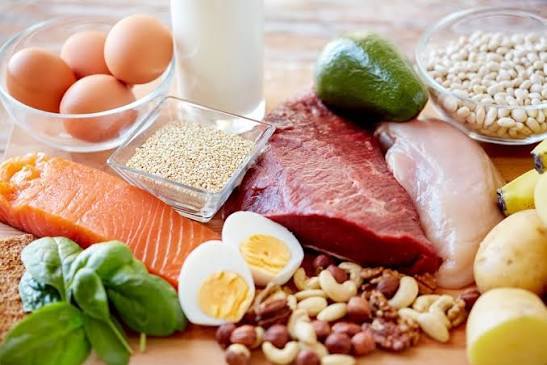
What Are Protein Foods?
Protein foods are foods that provide protein, one of the three essential macronutrients your body needs. Protein helps build and repair muscles, supports healthy bones, produces hormones and enzymes, and keeps your immune system working properly. It is also important for healthy skin, hair, and nails.
Protein comes from both animal and plant sources, making it possible for almost everyone to meet their daily protein needs through a balanced diet.
Quick Answer
Protein foods are foods rich in protein, including meat, fish, eggs, dairy products, beans, lentils, chickpeas, tofu, nuts, seeds, and certain whole grains. Eating a variety of these foods can help support muscle growth, improve satiety, and contribute to overall health.
Why Is Protein Important?
Your body uses protein every day to perform hundreds of important functions. Unlike some nutrients, your body cannot store large amounts of protein for later use, so regular intake through food is essential.
Protein helps to:
- Build and repair muscles
- Support healthy bones
- Produce enzymes and hormones
- Maintain healthy skin, hair, and nails
- Strengthen the immune system
- Help you feel full for longer
- Support healthy growth in children
- Aid recovery after illness or exercise
Best Protein Foods
Here are some of the healthiest protein-rich foods you can include in your diet.
1. Chicken Breast
Chicken breast is one of the most popular lean protein sources. It is naturally low in fat and provides high-quality protein that supports muscle maintenance and overall health.
2. Eggs
Eggs are considered a complete protein because they contain all nine essential amino acids. They are also a good source of vitamins and minerals.
3. Fish
Fish such as salmon, tuna, sardines, and mackerel provide both protein and heart-healthy omega-3 fatty acids.
4. Greek Yogurt
Greek yogurt contains more protein than regular yogurt and also provides calcium and probiotics that support gut health.
5. Cottage Cheese
Cottage cheese is rich in protein while being relatively low in calories, making it a popular choice for healthy snacks.
6. Lentils
Lentils are an excellent plant-based protein source. They are also rich in fiber, iron, and folate.
7. Chickpeas
Chickpeas provide protein along with complex carbohydrates and dietary fiber, helping you stay satisfied for longer.
8. Beans
Black beans, kidney beans, navy beans, and pinto beans are nutritious plant-based protein options that fit well into many meals.
9. Tofu
Made from soybeans, tofu is a complete plant protein and a versatile ingredient for vegetarian and vegan diets.
10. Nuts and Seeds
Almonds, walnuts, peanuts, chia seeds, pumpkin seeds, and sunflower seeds provide protein along with healthy fats, vitamins, and minerals.
Animal vs. Plant Protein
Both animal and plant proteins can be part of a healthy diet.
Animal Protein
Examples include:
- Chicken
- Turkey
- Fish
- Eggs
- Milk
- Cheese
- Greek yogurt
Benefits:
- Complete protein
- Highly digestible
- Rich in vitamin B12 and iron
Plant Protein
Examples include:
- Lentils
- Beans
- Chickpeas
- Tofu
- Tempeh
- Quinoa
- Nuts
- Seeds
Benefits:
- High in fiber
- Naturally cholesterol-free
- Rich in antioxidants and plant nutrients
How Much Protein Do You Need?
Protein needs vary depending on age, activity level, health status, and personal goals. Children, older adults, athletes, and pregnant or breastfeeding women may have different protein requirements.
A balanced diet that includes protein at each meal is often the easiest way to support your daily needs. If you have a medical condition or specific dietary concerns, consult a qualified healthcare professional or registered dietitian for personalized advice.
Tips to Eat More Protein
Adding more protein to your meals does not have to be difficult.
Try these simple ideas:
- Include eggs with breakfast.
- Add beans or lentils to soups and salads.
- Snack on Greek yogurt or cottage cheese.
- Choose lean chicken or fish for lunch and dinner.
- Sprinkle nuts or seeds over oatmeal and yogurt.
- Add tofu to stir-fries and curries.
- Keep healthy protein snacks available for busy days.
Can You Eat Too Much Protein?
Protein is an important part of a healthy diet, but balance is key. Eating extremely high amounts of protein while neglecting fruits, vegetables, whole grains, and healthy fats may reduce overall diet quality. A varied eating pattern that includes different food groups is generally the best approach.
Frequently Asked Questions
What foods are highest in protein?
Chicken breast, fish, eggs, Greek yogurt, cottage cheese, lentils, beans, tofu, and soy products are among the best high-protein foods.
Are plant proteins healthy?
Yes. Plant proteins such as lentils, beans, tofu, chickpeas, quinoa, nuts, and seeds provide protein along with fiber, vitamins, minerals, and beneficial plant compounds.
Is protein important for weight management?
Protein may help increase feelings of fullness, which can support healthy eating habits when combined with a balanced diet and regular physical activity.
Can vegetarians get enough protein?
Yes. By eating a variety of protein-rich plant foods, vegetarians can meet their protein needs without consuming meat.
What is a complete protein?
A complete protein contains all nine essential amino acids that the body cannot produce on its own. Examples include eggs, dairy products, fish, poultry, soy foods, and quinoa.
Key Takeaways
- Protein is essential for building and repairing body tissues.
- Both animal and plant foods can provide high-quality protein.
- Eating a variety of protein-rich foods supports overall health.
- Include protein with each meal as part of a balanced diet.
- Choose whole, minimally processed protein sources whenever possible.
Final Thoughts
Protein is one of the most important nutrients for maintaining good health. Whether you prefer animal-based or plant-based foods, there are plenty of nutritious options to include in your daily meals. Focus on variety, balance, and whole foods to help meet your nutritional needs and support long-term wellness.
Medical Disclaimer: This article is for educational purposes only and should not be considered medical advice. Always consult a qualified healthcare professional before making significant dietary changes or if you have specific health concerns.

No comment