Benefits of legumes include a useful mix of plant-based protein, dietary fiber and important minerals. Beans, lentils, chickpeas and peas are budget-friendly foods that work in soups, salads, curries and grain bowls. Their specific nutrient content differs by type and preparation, so variety is more helpful than treating one bean as a miracle food.
For a separate estimate of your overall daily energy needs, use our free maintenance calorie calculator. It does not calculate the calories in an individual serving of beans or lentils.
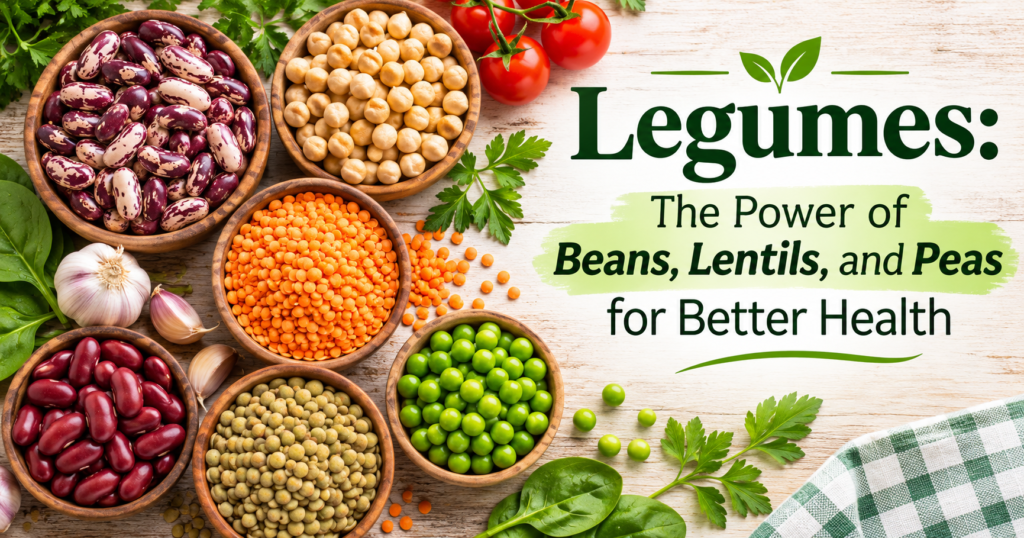
This evidence-informed guide explains the health benefits of legumes, common varieties, meal ideas, practical portions and safe preparation. Legumes can support a balanced diet, but no single ingredient prevents or cures a disease.
What Are Legumes? Understanding the Benefits of Legumes
Legumes are plants in the Fabaceae family that produce pods. The edible seeds include many beans, lentils, peas, chickpeas and soybeans; peanuts are botanically legumes too, although they are usually eaten as nuts. In everyday nutrition guidance, the term often refers to beans, peas and lentils.
Beans are legumes, but not all legumes are beans. Lentils and split peas are separate familiar examples. Green peas, dried peas and chickpeas also belong to the same plant family.
8 Popular Types of Legumes and How to Use Them
| Type | Flavor and texture | Everyday uses |
|---|---|---|
| Black beans | Earthy; hold their shape | Tacos, salads, chili |
| Kidney beans | Firm and hearty | Chili and stews; cook dried beans thoroughly |
| Chickpeas | Nutty and creamy | Hummus, salads, curries |
| Red lentils | Soften easily | Soups and dals |
| Brown or green lentils | Retain more texture | Warm salads, bowls, soups |
| Split peas | Break down when cooked | Thick soups and purées |
| Soybeans or edamame | Firm; mild | Snacks, tofu, stir-fries |
| Green peas | Sweet and tender | Rice, pasta and vegetable sides |
Nutrition and Benefits of Legumes: Protein, Fiber and More
Most cooked beans, peas and lentils supply plant protein and fiber together. They also contribute folate, iron, magnesium and potassium, although the amounts vary. Many are naturally low in saturated fat; preparation with butter, salty sauces or processed meat can change the overall nutritional profile.
| Nutrient | Role in the diet |
|---|---|
| Protein | Helps maintain and repair body tissues |
| Fiber | Supports bowel regularity and fullness |
| Folate | Supports normal cell division |
| Iron | Contributes to normal oxygen transport |
| Potassium | Supports normal muscle and nerve function |
| Magnesium | Contributes to many normal body functions |
Plant iron is absorbed differently from iron found in meat. Pairing beans or lentils with vitamin C-rich foods, such as tomatoes or bell peppers, can help improve non-heme iron absorption. For precise nutrition values, check the relevant food label or a reliable food composition database rather than assuming all legumes contain identical amounts.
6 Potential Health Benefits of Legumes
1. Convenient Plant-Based Protein
One of the main benefits of legumes is that they provide protein without requiring meat at every meal. Beans and lentils pair well with whole grains, vegetables, nuts and seeds in varied vegetarian and omnivorous eating patterns. People with higher protein needs may still need to plan portions and total daily intake.
2. Fiber for Digestive Regularity
One of the benefits of legumes is their soluble and insoluble fiber. Eating a variety of fiber-rich foods and drinking enough fluid can support bowel regularity. A sudden large increase in beans or lentils may cause bloating, so start with modest portions and increase gradually.
3. Heart-Healthy Meal Patterns
The health benefits of legumes are particularly relevant when beans replace some foods higher in saturated fat. The American Heart Association recommends beans and other legumes as part of an overall healthy eating pattern. This does not mean they independently prevent heart disease; the wider diet and lifestyle remain important.
4. Balanced Blood-Sugar Responses
Among the benefits of legumes, their protein and fiber can slow digestion compared with some refined-carbohydrate meals. Replacing part of a refined-starch dish with beans may be useful for meal balance, although portion size, cooking method and the rest of the meal matter. Anyone managing diabetes should follow their individualized treatment and nutrition advice.
5. Fullness and Weight Management
Fiber and protein may help meals feel more satisfying. Legumes can fit into a weight-management plan, but total portions and the overall eating pattern still determine energy intake. A bean salad dressed lightly may be different nutritionally from beans served with large amounts of cheese or oil.
6. Affordable Variety in Everyday Meals
Practical benefits of legumes include affordability: dried lentils and canned beans are widely available and can provide a low-cost alternative to some animal proteins. They also make it easier to create varied soups, grain bowls and vegetable dishes. Cost and availability depend on location and season.
Benefits of Legumes: How Much Should You Eat?
A practical starting portion is about ½ cup cooked beans, peas or lentils. It is an example serving, not a universal prescription. Increase gradually according to appetite, digestive comfort and the rest of your diet. There is no single number of weekly servings that works for everyone.
Everyday Benefits of Legumes: Easy Meal Ideas
- Breakfast: Add warm black beans to eggs or a tortilla.
- Lunch: Toss canned chickpeas with cucumber, tomato, lemon and olive oil.
- Dinner: Stir cooked red lentils into tomato soup or vegetable curry.
- Fast side: Warm frozen green peas with herbs.
- Snack: Serve hummus with sliced vegetables or whole-grain crackers.
- Meal prep: Mix cooked lentils into a grain bowl with leafy greens.
If you’re new to cooking with legumes, canned chickpeas and precooked lentils are convenient starting points. Drain and rinse canned beans when appropriate to reduce some added sodium; choose low-sodium products if desired.
Benefits of Legumes and Safe Cooking Tips
Follow the specific package instructions for dried beans: soaking requirements and cooking time differ by variety. Lentils often need less preparation than large dried beans. Keep utensils and work surfaces clean, refrigerate cooked food promptly and follow local food-safety recommendations for leftovers.
Important: Dried Kidney Beans Must Be Boiled Thoroughly
Raw or undercooked red kidney beans can contain harmful levels of the lectin phytohaemagglutinin. Soak and drain dried kidney beans as directed, then boil them vigorously in fresh water for sufficient time and continue cooking until fully tender. FDA guidance advises boiling for at least 30 minutes to ensure adequate heat exposure. Do not cook raw dried kidney beans only in a low-temperature slow cooker. Commercially canned kidney beans are already cooked and are a convenient alternative. See the FDA Bad Bug Book: kidney bean lectin.
What if Legumes Cause Gas or Bloating?
Start with smaller portions, increase fiber gradually, rinse canned beans and cook dried varieties thoroughly. Not everyone tolerates every type equally. People with food allergies, digestive disorders or specific medical diets should seek individualized advice rather than assume all legumes are suitable.
Frequently Asked Questions About Legumes
What are the main benefits of legumes?
The main benefits of legumes come from their combination of fiber, plant protein and useful micronutrients. They can contribute to balanced meals and help replace some less nutrient-dense ingredients.
Are beans and legumes the same thing?
Beans are a type of legume. The legume family also includes lentils, peas, chickpeas, peanuts and soybeans.
Are canned beans healthy?
Yes. Canned beans can provide protein and fiber. Compare sodium on labels, choose a suitable variety and rinse when helpful.
Are lentils better than beans?
Neither is universally better. Lentils often cook more quickly, while different beans have distinct flavors, textures and nutrient profiles. Eating a variety is sensible.
Can eating legumes help with weight management?
They may help with fullness because of their fiber and protein, but results depend on portions and the total diet. They are not a stand-alone weight-loss treatment.
Are legumes suitable for vegetarian diets?
Yes. Beans, peas, lentils and soy foods can be valuable plant-protein sources in a varied vegetarian or vegan diet.
Key Takeaways
- Beans, lentils, peas, chickpeas and soybeans are all legumes.
- The benefits of legumes include fiber, plant protein and dietary variety.
- Use a modest portion at first if you are increasing your fiber intake.
- Prepare dried kidney beans safely; low-temperature slow cooking alone is not enough.
- Choose convenient canned beans or precooked lentils for quick meals.
Sources and Editorial Note
Read the American Heart Association’s guide to beans and legumes for healthy-diet context and the FDA food-safety reference for kidney-bean preparation. This article provides general nutrition education, not a personalized medical plan or a claim that legumes treat disease.
Put these ideas into practice with our carrot and butter bean soup, white bean spinach skillet or chickpea cucumber salad.

Join the conversation