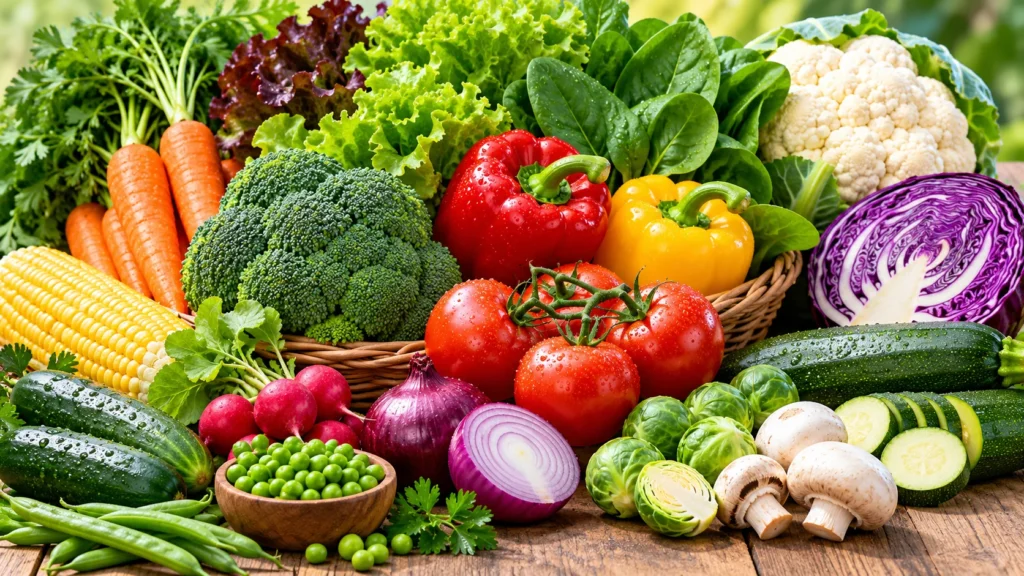
Vegetable benefits include fiber, vitamins, minerals and water that support a balanced diet. The health benefits of vegetables depend on eating a range of types: leafy greens, colorful peppers, carrots, broccoli and other nutritious choices. Regular vegetable intake can help support digestion, heart health and dietary variety, but no single vegetable guarantees weight loss, prevents disease or replaces medical care.
Quick answer: Include different colors and types of vegetables across the week: dark greens such as spinach, orange vegetables such as carrots, cruciferous choices such as broccoli, and easy staples such as tomatoes and frozen peas. Fresh, frozen and no-salt-added canned vegetables can all be useful. For busy days, add a vegetable to a meal you already make rather than starting a complicated diet.
Different vegetable types provide different nutrients, flavors and cooking options.
What are vegetables?
Vegetables are edible plant parts eaten as part of meals: leaves, stems, roots, flowers, bulbs and, in culinary use, fruits such as tomatoes and peppers. Nutrition guides also group some beans and peas as vegetables, although legumes have their own protein and fiber characteristics. The category is practical rather than strictly botanical.
Vegetable Nutrition: Key Nutrients and Examples
No vegetable contains every nutrient in the same amount. The table below connects common nutrients to examples, without suggesting that a single food guarantees a health outcome.
| Nutrient or component | Why it matters | Vegetable examples |
|---|---|---|
| Fiber | Supports digestive regularity and contributes to fullness | Broccoli, peas, carrots |
| Vitamin C | Supports collagen formation and normal immune function | Bell peppers, broccoli |
| Provitamin A carotenoids | The body can convert some carotenoids to vitamin A, important for vision | Carrots, sweet potatoes |
| Folate | Supports cell formation and other normal body functions | Spinach, asparagus |
| Vitamin K | Supports normal blood clotting and bone-related processes | Kale, spinach |
| Potassium | Contributes to normal muscle and nerve function and blood pressure regulation | Potatoes, tomatoes, leafy greens |
| Water | Helps make meals hydrating and less energy-dense | Cucumber, lettuce, zucchini |
Nutrient quantities depend on variety, portion, preparation and cooking. For specific food composition, use USDA FoodData Central.
8 Health Benefits of Vegetables
1. Vegetables help improve dietary variety
Eating multiple vegetable types makes it easier to obtain a range of nutrients and textures. Variety matters more than choosing one popular “superfood.”
2. Fiber supports digestion
Fiber from vegetables contributes to bowel regularity and can support gut health. The amount varies: a serving of peas provides a different fiber contribution from a serving of lettuce.
3. A vegetable-rich eating pattern supports heart health
Dietary patterns that include plenty of vegetables are associated with better cardiovascular outcomes. Potassium and fiber are two possible contributors, but vegetables do not independently treat high blood pressure or heart disease.
4. Many vegetables add volume without excessive calories
Non-starchy choices such as zucchini, cucumber and leafy greens can make meals more substantial. Starchy vegetables such as potatoes and corn still provide useful nutrients; preparation and portions affect overall energy intake.
5. Some provide nutrients important for eyesight
Orange vegetables can provide provitamin A carotenoids, while some leafy greens supply lutein and zeaxanthin. Eating these foods supports nutrient intake; it is not a guaranteed treatment for eye conditions.
6. Vitamins help normal immune function
Vegetables can contribute vitamin C, vitamin A precursors and folate. No particular vegetable can guarantee you will avoid infections.
7. Plant compounds contribute to dietary quality
Vegetables contain diverse phytochemicals, including carotenoids and polyphenols. Their effects depend on the overall diet; avoid exaggerated detox or disease-cure claims.
8. They can make balanced meals more practical
Frozen vegetables, canned tomatoes and prewashed greens can make it easier to prepare meals at home, even with limited time or budget.
Types of vegetables and their benefits: practical examples
| Vegetable group | Examples | Easy ways to eat them |
|---|---|---|
| Leafy greens | Spinach, kale, romaine | Salads, omelets, quick sauté |
| Cruciferous vegetables | Broccoli, cauliflower, Brussels sprouts | Roasted, steamed, stir-fried |
| Orange and red vegetables | Carrots, sweet potatoes, red peppers | Roasted, soups, sliced snacks |
| Alliums | Onions, garlic, leeks | Base for soups, sauces and sautés |
| Fruiting vegetables | Tomatoes, eggplant, zucchini, cucumber | Salads, stews and grilled dishes |
| Starchy vegetables | Potatoes, corn, green peas | Baked sides, soups, grain bowls |
| Beans and legumes | Chickpeas, lentils, edamame | Salads, curries, soups; may count in different food groups |
10 healthiest vegetables to eat for everyday nutrition
Instead of claiming one vegetable is the absolute healthiest, consider these options for their accessibility, nutrition and versatility.
- Spinach: leafy green for sautés, eggs or soups.
- Broccoli: cruciferous option for roasting or steaming.
- Carrots: convenient raw snack or roasted side.
- Bell peppers: colorful choice that supplies vitamin C.
- Tomatoes: useful raw, cooked or canned without added salt.
- Cauliflower: versatile roasted or in soups.
- Sweet potatoes: starchy option with beta-carotene.
- Zucchini: quick-cooking addition to stir-fries.
- Kale: leafy green for soups or sautés.
- Green peas: freezer-friendly option contributing fiber and protein.
How many servings of vegetables should you eat per day?
United States: Guidance commonly describes vegetables in cup-equivalents. For an example 2,000-calorie pattern, the American Heart Association describes approximately 2½ cups of vegetables per day, but needs vary by age, activity and dietary context. Some measures differ between raw leafy greens and cut-up vegetables.
United Kingdom: The NHS 5 A Day advice means at least five 80-gram portions of varied fruits and vegetables combined, not five portions of each. Frozen and canned vegetables can count. Ordinary potatoes do not count toward UK 5 A Day because they are usually used as the starchy component of a meal; sweet potatoes can count. Beans and pulses count as only one 5 A Day portion in total, however much you eat. Read the NHS guide on what counts.
These are different measurement systems. Use a consistent framework rather than converting every meal into a rigid target. For a separate educational estimate of adult energy needs, visit our free calorie and TDEE calculator; it does not prescribe individual vegetable portions.
What does 1 cup of vegetables look like? US portion examples
Vegetable cup-equivalents depend on how the food is prepared. According to the American Heart Association’s serving-size guide, 2 cups of raw leafy greens can count as a 1-cup vegetable equivalent; 1 cup of cooked leafy greens or 1 cup of other cut-up vegetables are other examples. For a 2,000-calorie eating pattern, 2½ cups of vegetables is a general guide rather than a personal prescription.
Practical example: Add 1 cup of cooked vegetables to lunch, a side of 1 cup of cooked vegetables at dinner, and an additional ½ cup of vegetables in a meal or snack. This illustrates a day of vegetable portions, not a requirement to eat a specific menu. The UK’s 80 g 5 A Day framework is different, so do not assume a US cup-equivalent always equals an NHS portion.
Fresh vs frozen vs canned vegetables
| Type | Advantages | What to check |
|---|---|---|
| Fresh | Good texture and choice when in season | Storage and spoilage; wash before preparing |
| Frozen | Convenient, often affordable, less waste | Choose plain vegetables without heavy sauces or added salt |
| Canned | Long shelf life, easy soups and stews | Compare sodium; choose no-salt-added when available |
Frozen vegetables are not automatically less nutritious than fresh options. The best purchase is one you can safely store, afford and enjoy eating.
Raw vs cooked vegetables: which is healthier?
Both can be nutritious. Some water-soluble vitamins may decrease during prolonged cooking, particularly when water is discarded. Cooking can also improve the availability of some compounds, and it makes certain vegetables easier to chew or digest. Try steaming, microwaving, stir-frying or roasting with moderate amounts of oil, sugar and salt. Cooking times matter more than declaring one universal best method.
Easy ways to eat more vegetables: a 7-day idea plan
| Day | Simple addition |
|---|---|
| Monday | Add spinach to scrambled eggs or a breakfast wrap |
| Tuesday | Roast carrots and broccoli beside dinner |
| Wednesday | Add frozen peas to rice or pasta |
| Thursday | Pack sliced cucumber and peppers for lunch |
| Friday | Use canned tomatoes in a homemade sauce |
| Saturday | Make a vegetable-and-bean soup |
| Sunday | Use leftover vegetables in a frittata or stir-fry |
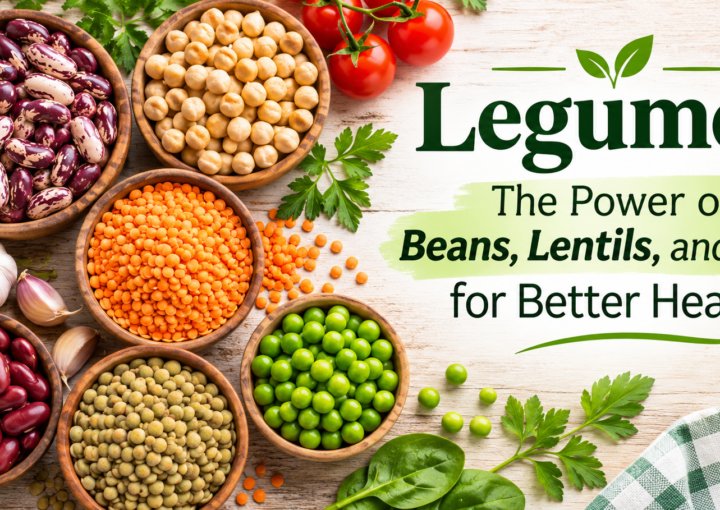
For related reading, see our legumes nutrition guide and whole grains guide.
Food safety and special considerations
- Wash produce: Rinse fresh produce under running water; keep vegetables and utensils separate from raw meat, poultry and seafood. See FDA safe food handling guidance.
- Vitamin K and medication: People taking warfarin should discuss consistent intake of vitamin-K-rich greens with their healthcare team rather than cutting out vegetables independently.
- Kidney disease or other restrictions: Potassium and other nutrient needs may require individualized advice.
- Digestive sensitivity: Increase fiber-rich vegetables gradually if your diet was previously low in fiber.
Benefits of eating vegetables every day: a practical answer
People searching for the benefits of eating vegetables often want to know whether daily intake is worth the effort. It can help improve dietary variety, add fiber and support a healthier meal pattern. The strongest approach is to eat different colors and types of vegetables, including affordable frozen or canned choices, rather than overusing one “superfood.”
Questions about vegetables and their benefits are best answered by looking at specific nutrients: carrots supply beta-carotene, bell peppers can supply vitamin C, and broccoli contributes fiber and other nutrients. Whole meals and regular habits matter more than isolated ingredients. See the CDC guidance on increasing vegetables and fruits.
Frequently asked questions
What are the main health benefits of vegetables?
Vegetables contribute fiber, vitamins, minerals, water and plant compounds. A varied vegetable-rich diet supports nutritional adequacy and is associated with better long-term health outcomes.
What are the healthiest vegetables?
No single vegetable wins in every category. Spinach, broccoli, carrots, peppers, tomatoes and peas contribute different nutrients. Variety is a more useful goal than ranking them rigidly.
Are frozen vegetables healthy?
Yes. Plain frozen vegetables are convenient and can retain useful nutrients. Check for added salt and sauces, and follow package cooking instructions.
Are vegetables better raw or cooked?
Both forms can fit a healthy diet. Cooking changes texture and nutrient availability, so use methods you enjoy and avoid prolonged overcooking when possible.
Do potatoes count as vegetables?
Potatoes are starchy vegetables in common US dietary categorization, while ordinary potatoes do not count toward the UK’s 5 A Day target. The difference reflects how each guidance system classifies food.
Can vegetables help with weight management?
Non-starchy vegetables can add volume and fiber to meals, but weight change depends on the overall dietary pattern and other factors.
Do canned vegetables count?
Yes, many canned vegetables contribute to vegetable intake. Prefer no-salt-added or lower-sodium choices where practical.
Vegetable benefits: key takeaways
- Vegetable benefits and nutrition vary by type; choose a diverse mix instead of relying on one food.
- Fresh, frozen and canned vegetables can all be nutritious.
- For practical nutrition, compare preparation methods and overall meal balance.
- US cup-equivalents and UK 5 A Day portions are different guidance frameworks.
- Make small, consistent vegetable additions to meals you already eat.
Evidence and editorial note
- NHS: 5 A Day — What Counts?
- NHS: 5 A Day — Portion Sizes
- American Heart Association: Fruit and Vegetable Serving Sizes
- USDA FoodData Central
- FDA: Safe Food Handling
Medical and editorial disclaimer: General educational information only, not individual dietary or medical advice. Nutrition values depend on ingredients and portions. Follow professional medical guidance when food allergies, conditions or medicines affect your diet.
Join the conversation