10 High-Protein Foods: A Practical Grocery Shopping Guide
This shopping guide helps you choose 10 high-protein foods for everyday meals without relying on expensive supplements. Compare price per serving, storage life, convenience, and the rest of the nutrition label—not just the protein number.
The ten picks below include both animal and plant options. Use them as a flexible grocery checklist: buy what fits your budget, food preferences, allergies, and cooking routine.
Quick Shopping Answer
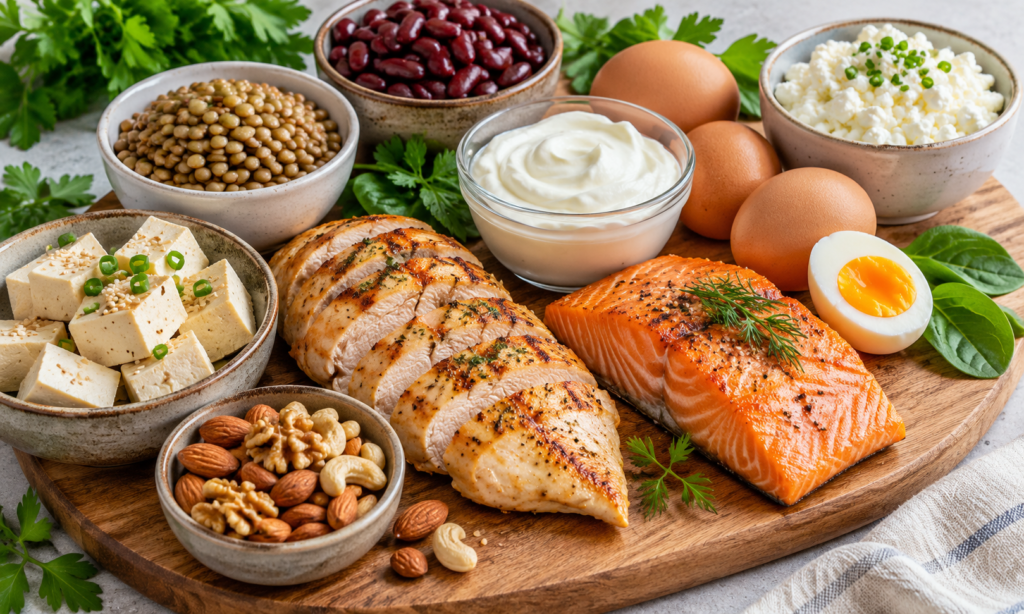
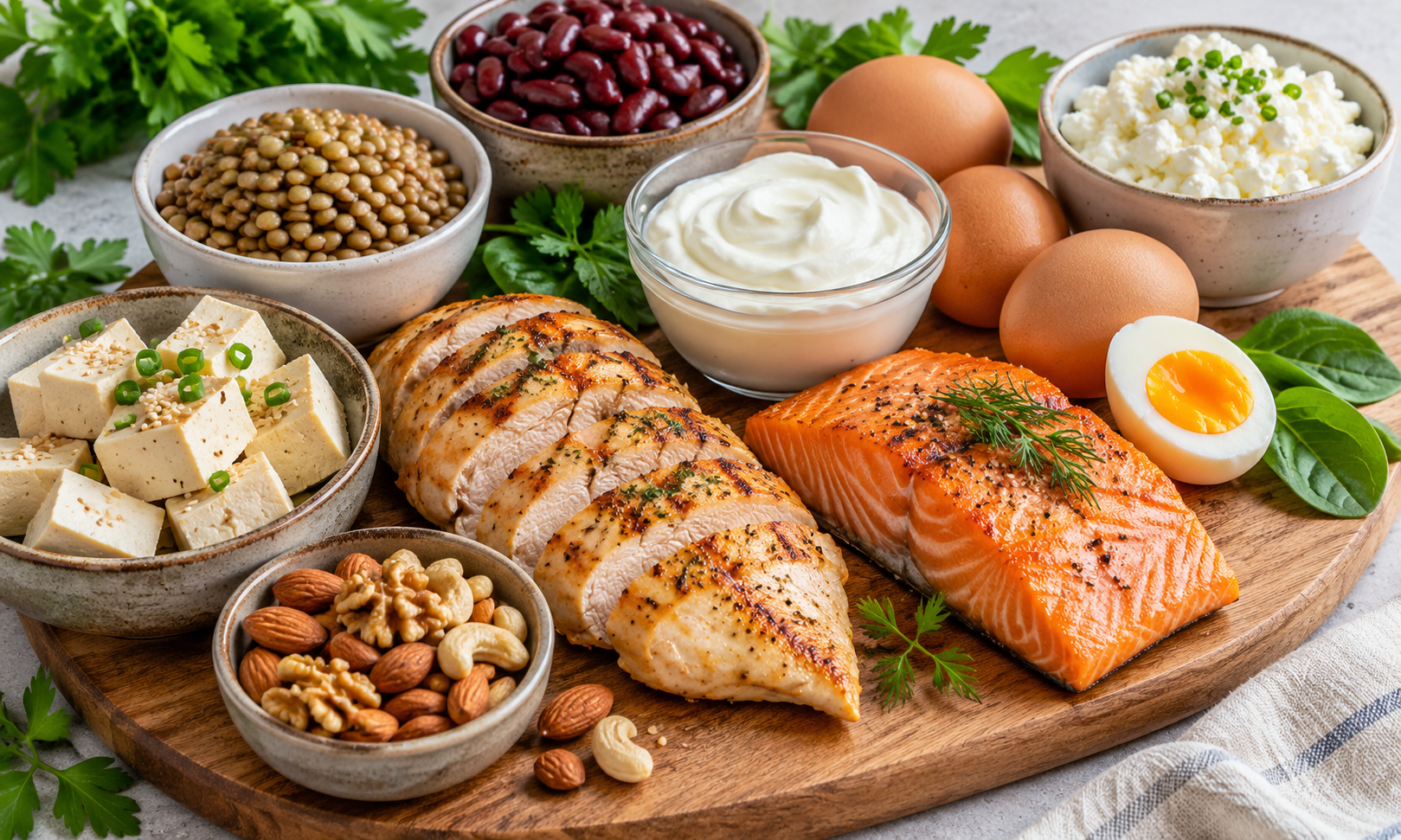
For a practical protein-focused grocery basket, consider chicken breast, eggs, fish, plain Greek yogurt, cottage cheese, lentils, chickpeas, beans, tofu, and nuts or seeds. Choose fresh, frozen, canned, or dried versions based on cost and convenience; compare sodium and added sugar where relevant.
Start with a few affordable staples you will actually cook. Eggs, dried lentils, canned beans, and frozen fish can make meal planning easier, while yogurt and cottage cheese offer quick no-cook options.
When comparing products, check:
- Compare price per serving or unit weight
- Check protein per serving, not per package
- Look at sodium and added sugar
- Consider fresh, frozen, canned, or dried options
- Plan refrigeration and freezer space
- Buy quantities you can use safely
10 High-Protein Foods to Put on Your Shopping List
These ten grocery categories are easy to mix into breakfasts, lunches, dinners, and snacks. The buying and storage notes below make this list different from our separate guide to protein nutrition and health benefits.
1. Chicken Breast
Shopping tip: Compare fresh and frozen skinless chicken breast by price per pound or kilogram. Freeze portions promptly if you will not cook them soon; use a food thermometer and cook poultry to 165°F (74°C).
2. Eggs
Eggs are a flexible, often budget-friendly option for breakfast or a quick dinner. Check cartons for cracks and refrigerate promptly.
3. Fish
Frozen fish and canned salmon or sardines can be convenient alternatives to fresh fillets. Compare canned products for sodium and follow safe storage guidance.
4. Greek Yogurt
Choose plain Greek yogurt and compare protein per serving, added sugar, and unit price across brands. Larger tubs may offer value if used before expiry.
5. Cottage Cheese
Compare cottage cheese labels for sodium, protein per serving, and price. Choose a container size you can finish safely.
6. Lentils
Dried lentils are inexpensive and shelf-stable; canned or pre-cooked lentils save preparation time. Add them to soups or grain bowls.
7. Chickpeas
Keep canned chickpeas for quick salads and hummus, or buy dried chickpeas for batch cooking. Compare sodium and unit price.
8. Beans
Black, kidney, navy, and pinto beans work in chili, wraps, and rice bowls. Compare canned varieties for sodium and cost. For dried red kidney beans, soak in water for at least five hours, discard the soaking water, then boil vigorously in fresh water for at least 10 minutes and continue cooking until tender. This helps address naturally occurring lectins that can cause illness. See the FDA Food Code, Annex 4. Canned kidney beans are a convenient alternative.
9. Tofu
Firm tofu works for stir-fries and baking, while silken tofu suits sauces. Check refrigeration and storage instructions.
10. Nuts and Seeds
Nuts and seeds are convenient pantry additions for oatmeal, salads, and snacks. Compare unsalted varieties and portion sizes.
How to Shop for Animal and Plant Protein Foods
Both categories can fit your grocery basket. Compare shelf life, preparation time, storage needs, and price rather than treating one category as universally better.
Animal Protein: Shopping Considerations
Examples include:
- Chicken
- Turkey
- Fish
- Eggs
- Milk
- Cheese
- Greek yogurt
Check before buying:
- Check cold storage and use-by dates
- Compare fresh and frozen prices
- Read labels on processed or seasoned products
Plant Protein: Shopping Considerations
Examples include:
- Lentils
- Beans
- Chickpeas
- Tofu
- Tempeh
- Quinoa
- Nuts
- Seeds
Check before buying:
- Compare dried versus canned prices
- Check sodium on canned products
- Allow time for soaking or cooking
Compare Protein Foods by Convenience and Storage
| Grocery choice | Convenience | What to compare |
|---|---|---|
| Eggs | Quick meals; refrigerated | Carton condition, pack size, price per egg |
| Frozen chicken or fish | Freezer-friendly portions | Price per weight, added salt or coatings, safe thawing |
| Plain Greek yogurt | No-cook breakfast or snack | Protein per serving, added sugar, use-by date |
| Cottage cheese | No-cook snack or sandwich filling | Sodium, serving size, container size |
| Dried lentils and beans | Long pantry storage; cooking required | Cost per cooked serving and preparation time |
| Canned chickpeas or beans | Ready for salads and quick meals | Sodium, drained weight, unit price |
| Tofu | Versatile for stir-fries | Firm versus silken texture, storage instructions |
| Nuts and seeds | Portable pantry snacks | Unsalted options, serving size, price per weight |
Build a Budget-Friendly Protein Grocery Basket
Choose two or three main protein foods for the week and reuse them across meals. Eggs can work at breakfast, lentils in soup, beans in wraps, and frozen fish or tofu at dinner. Compare unit prices and protein per serving. Large packages only save money when you can store and use them safely.
For a deeper explanation of amino acids and daily protein requirements, see our protein nutrition and benefits guide.
Easy Meals from Your Protein Grocery List
Reuse ingredients across meals instead of buying a different protein food for every recipe.
For simple meals, pick one protein source and add vegetables, whole grains or fruit as appropriate. Try these flexible combinations:
- Include eggs with breakfast.
- Add beans or lentils to soups and salads.
- Snack on Greek yogurt or cottage cheese.
- Choose lean chicken or fish for lunch and dinner.
- Sprinkle nuts or seeds over oatmeal and yogurt.
- Add tofu to stir-fries and curries.
- Keep healthy protein snacks available for busy days.
Practical Portion Comparisons
Protein values depend on the food, preparation, and brand. As a rough reference, one large egg provides about 6 g protein; a 3 oz (85 g) serving of cooked chicken breast provides roughly 26 g; half a cup of cooked lentils provides about 9 g; and a typical single-serving plain Greek yogurt can provide about 15–20 g. These are examples, not a recommended meal plan. Check product labels and USDA FoodData Central for the specific food you buy.
For grocery planning, compare like-for-like servings: price per egg, price per drained cup of canned beans, and price per pound of meat or tofu. A larger protein number is not automatically better value if the serving costs more or the food will go unused.
Three Simple Meal Combinations
Breakfast: eggs with whole-grain toast and fruit, or plain Greek yogurt with oats. Lunch: red lentil tomato soup or chickpea wraps. Dinner: baked fish with vegetables, or tofu stir-fry with rice. Swap ingredients according to your preferences and allergies.
Storage and Portion Planning
Refrigerate perishable foods promptly, follow package storage instructions, and freeze extra portions when needed. For food safety basics, consult the FoodKeeper storage guidance. Compare nutrition labels using the stated serving size, not the whole package.
Protein Grocery Shopping FAQs
Which high-protein foods are easiest to buy on a budget?
Eggs, dried lentils, canned beans, plain yogurt, and tofu are practical starting points in many stores. Prices vary, so compare cost per serving.
Should I buy dried or canned beans?
Dried beans may cost less per cooked serving but take more preparation. Canned beans are convenient; compare sodium and rinse when appropriate.
What are quick no-cook protein foods?
Plain Greek yogurt, cottage cheese, canned fish, and ready-to-eat beans are convenient choices. Follow food safety and storage instructions.
Can I make a vegetarian protein grocery list?
Yes. Build your list around lentils, chickpeas, beans, tofu, nuts, seeds, and other foods you enjoy.
How can I avoid wasting protein foods?
Plan meals before shopping, buy shelf-stable or frozen staples, store leftovers safely, and freeze batch-cooked portions.
Shopping Checklist: Key Takeaways
- Pick ten versatile foods you enjoy
- Compare cost and protein per serving
- Mix shelf-stable and refrigerated options
- Plan two or three repeatable meals
- Store leftovers safely
Your Next Grocery Trip
Choose a mix of affordable high-protein foods that fit your routine. Compare labels and unit prices, plan a few repeatable meals, and use your freezer and pantry to reduce food waste. If you also want an estimate of daily energy needs for meal planning, try our free maintenance calorie calculator (TDEE). It provides an estimate rather than a personalized medical recommendation.
Medical Disclaimer: This article is for educational purposes only and should not be considered medical advice. Always consult a qualified healthcare professional before making significant dietary changes or if you have specific health concerns.
Join the conversation