Healthy Foods
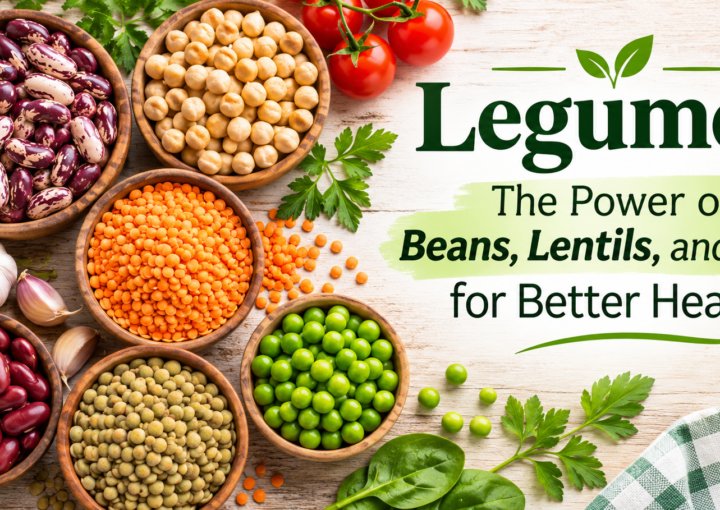
Legumes: The Power of Beans, Lentils, and Peas for Better Health
Discover the benefits of legumes, including protein, fiber and balanced nutrition. Compare beans and lentils, learn cooking tips and find easy meal ideas.
Food guides help you compare everyday ingredients, understand nutrition basics and find practical shopping, preparation and meal ideas. Explore healthy fruits, vegetables, legumes, whole grains, nuts, dairy, seafood and protein choices below. These are starting points, not prescriptive diets: food preferences, allergies, budgets and nutritional requirements vary from person to person.
Cooking on a budget? Start with legumes or whole grains for shelf-stable meal options. Planning quick meals? Explore vegetables, seafood or the protein foods list. Comparing packaged items? Read nutrition and ingredient labels, including added sugars, sodium and allergen statements where relevant. Food groups can fit into different eating patterns; there is no single best ingredient for everyone.
Start with the food group that fits your cooking question, then check the individual guide for ingredient examples, nutrition context and practical preparation ideas. When comparing products, use the serving size and Nutrition Facts label together—similar-looking foods can differ in sodium, added sugar, protein, fiber and allergens. Choose options that fit your budget, preferences and any professional dietary advice you have received.
For economical pantry meals, begin with the legumes guide or whole grains guide. For fresh produce, start with vegetables or fruits. Select the guide that answers your next shopping or cooking question.
No. They explain general food choices and nutrition concepts. Individual calorie, allergy and medical needs can differ, so the guides are not a substitute for personalized medical or dietetic advice.
Compare equivalent serving amounts, then review nutrients relevant to your question, such as fiber, protein, sodium or added sugars. For food composition information, USDA FoodData Central provides searchable reference data.
Yes. The calorie calculator estimates adult maintenance energy needs; the food guides provide general ingredient and meal ideas. The estimate does not measure your metabolism or prescribe a diet.
Try our maintenance calorie calculator for an estimated daily energy requirement. The result is an estimate, not a diagnosis or treatment plan.
HealthnFood Guide provides general educational information. See our Editorial Policy, Medical Disclaimer and Contact Us pages for further information and corrections.
Discover the benefits of legumes, including protein, fiber and balanced nutrition. Compare beans and lentils, learn cooking tips and find easy meal ideas.
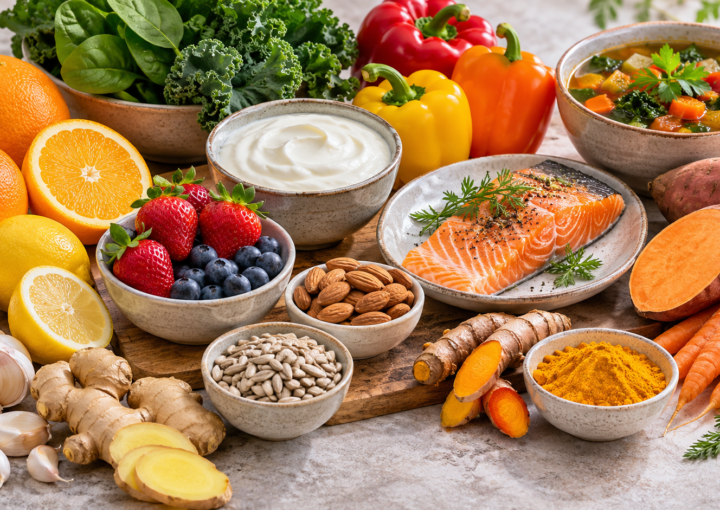
Explore 12 foods that support normal immune function, with key nutrients, practical meal ideas, an easy meal plan and evidence-based FAQs.
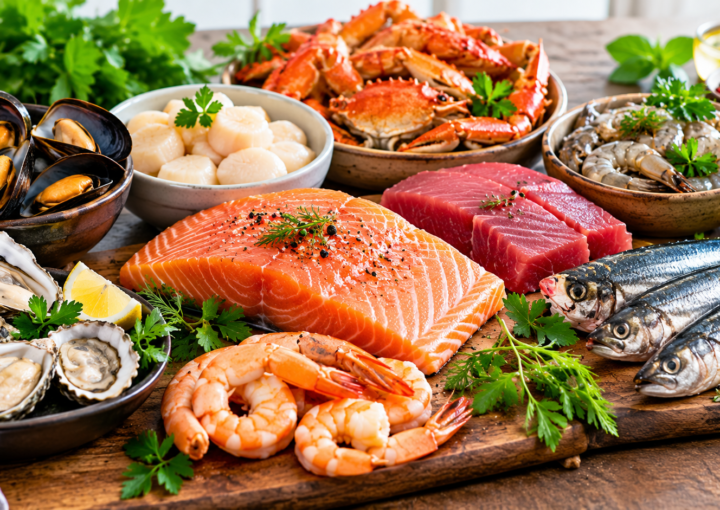
Explore seafood nutrition and benefits, top fish and shellfish choices, omega-3 sources, mercury guidance, safe cooking tips and common FAQs.
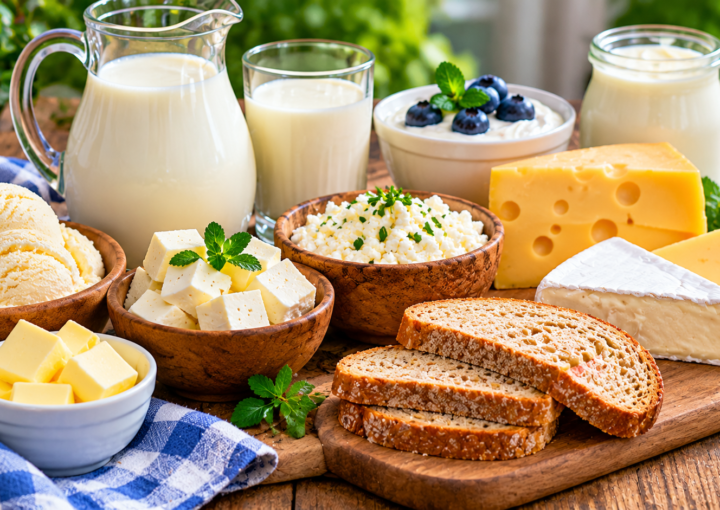
Learn dairy nutrition, benefits, milk and yogurt types, lactose-free choices, portion considerations and practical food-label tips.
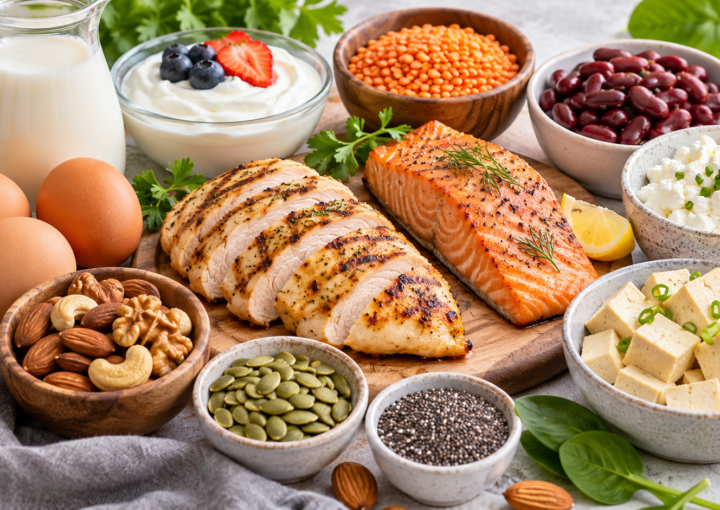
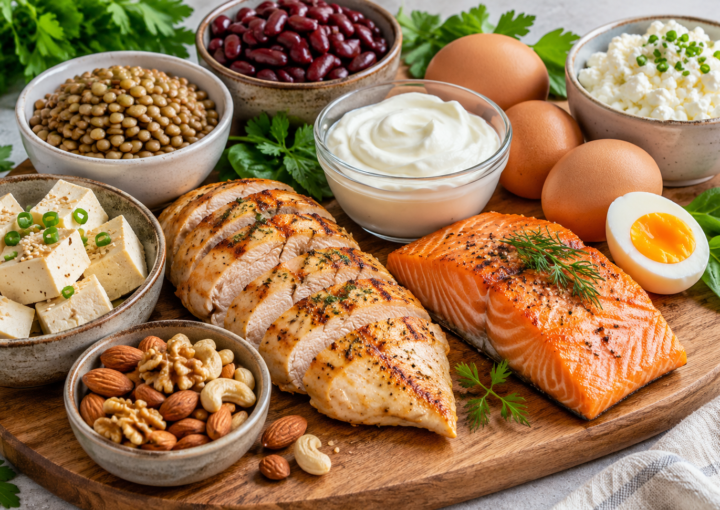
Explore protein foods, practical sources, nutrition benefits, serving ideas and easy ways to include more protein in balanced everyday meals.
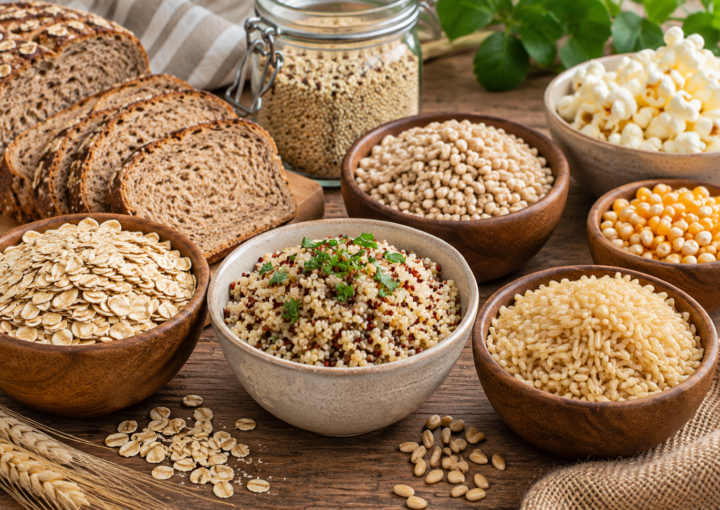
Explore whole grain benefits, nutrition, common types, label-reading tips, and simple swaps. Learn how to choose oats, brown rice, quinoa and whole-wheat foods.
Compare 10 high-protein foods for everyday meals, with practical shopping choices, label-reading tips, plant and animal options, and food-safety guidance.
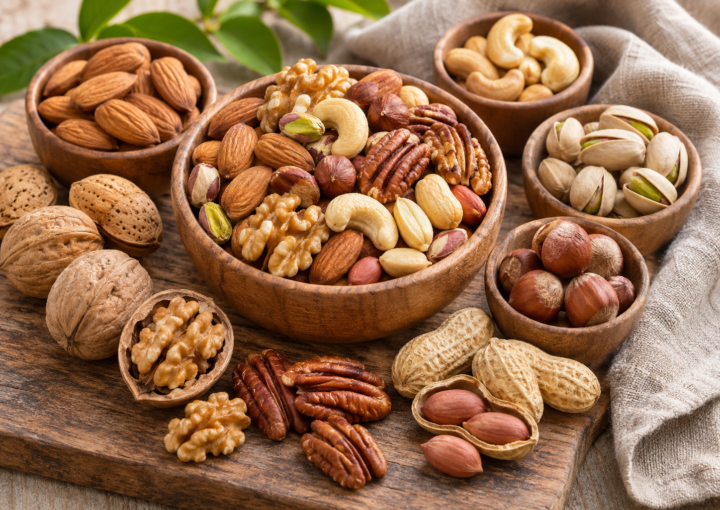
Explore 7 health benefits of nuts, calories per ounce, nutrition, the best types for meals, serving sizes, allergy precautions, and Brazil nut selenium safety.
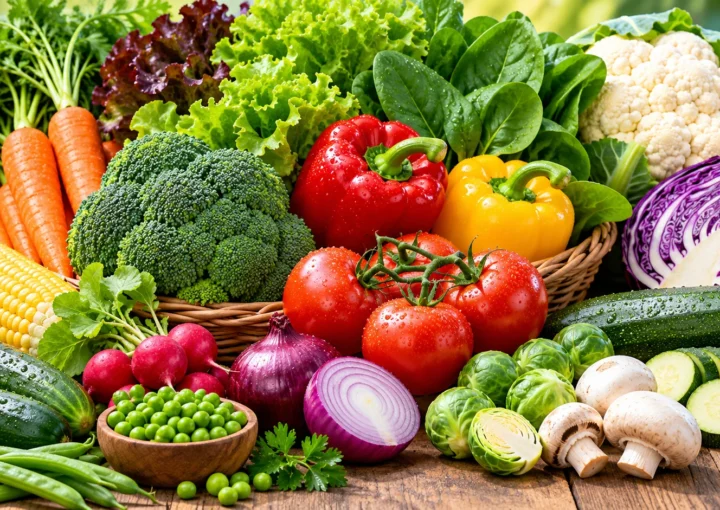
Discover 8 vegetable benefits, nutrition facts, the healthiest types, daily servings and simple ways to eat more vegetables, from fresh to frozen.
Discover healthy fruits and 7 nutrition benefits, including the best types, daily portions, whole fruit vs juice, and simple ways to eat more fruit.
Optional Google Analytics helps us count page visits. Privacy policy